Faux wedding flowers last years after the wedding
Couples choose artificial floral arrangements that look perfect for years, avoiding the waste of fresh bouquets that wilt within days.
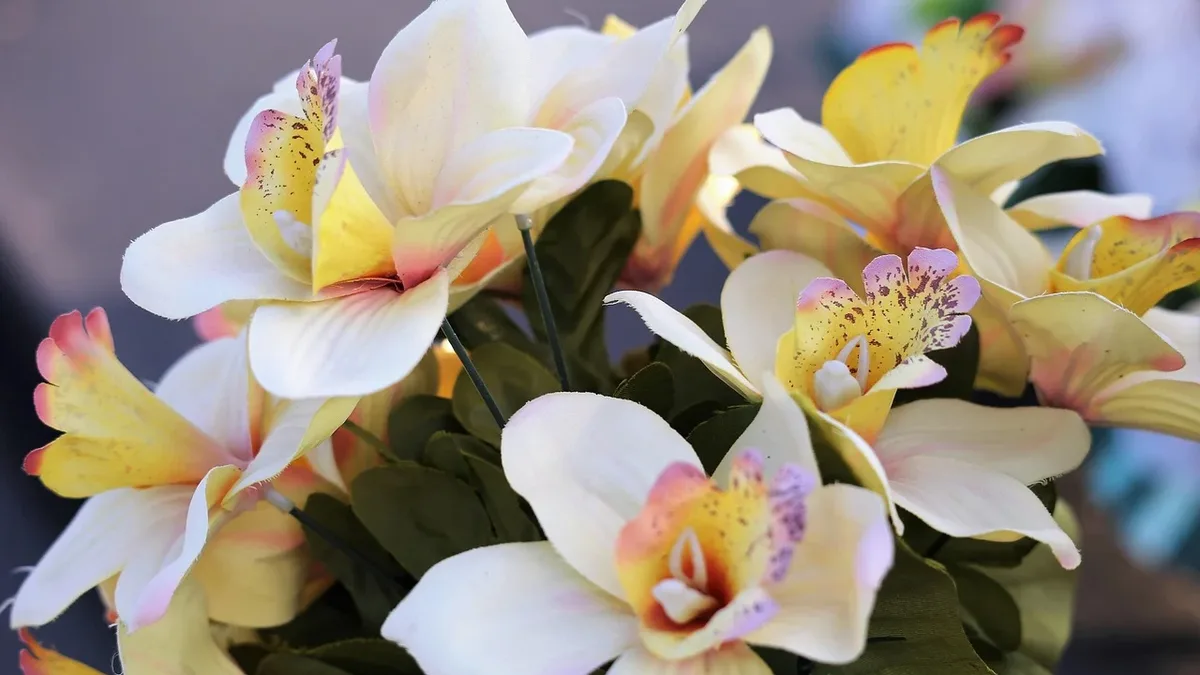
Rachel Dunn, Head of Product at The Faux Flower Company, explains why more couples are choosing artificial wedding flowers that remain perfect for years. The Cheltenham-based retailer's realistic faux arrangements are designed to be kept long after the wedding day, according to an interview on English-Wedding.com.
Dunn's background is in fashion design, which she applies to floral details. She focuses on how stems are wired to fall naturally and how petals are painted with shifting colours, elements often overlooked in traditional wedding floral planning.
What happens to wedding flowers after the day?
Dunn criticizes the industry for ignoring the bouquet's life after the ceremony. Most advice stops at the wedding portraits, she says. Fresh flowers often get thrown out, gifted, or dried into a sad keepsake within days.
She outlines a clear timeline for a real bouquet's decline. After about four days, most are past their best unless preserved. By four weeks, they are usually composted or binned. At four months, often only photographs remain.
The lasting alternative of faux flowers
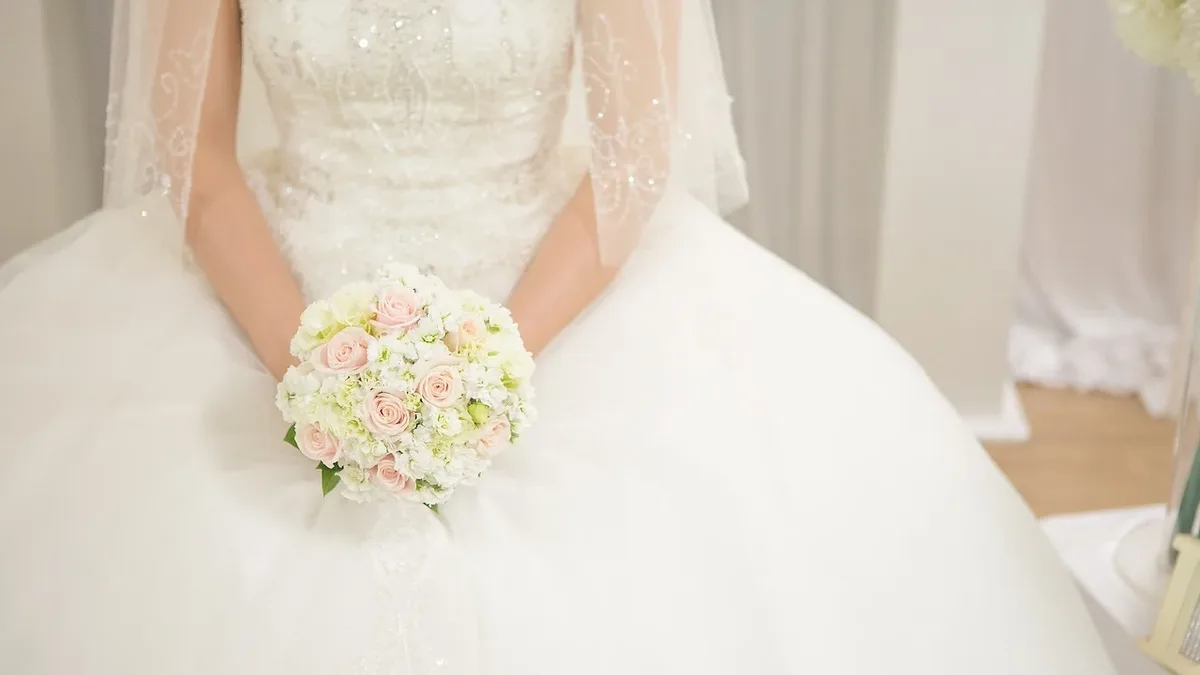
In contrast, a quality faux arrangement remains unchanged. A meadow-style bouquet looks identical four days after the wedding. Four weeks on, it can serve as home decor. Four months later, it still looks as beautiful as on the wedding day, with many customers bringing it out for their first anniversary.
Longevity and reducing wedding waste
While longevity is key, Dunn connects it to a larger waste issue. She cites a carbon footprint study claiming only 4% of cut flowers are composted properly, with the rest going to landfill. Wedding flowers are especially wasteful, bought in bulk for one day with no plan for afterwards.
She notes a UK shift towards foam-free, reusable floristry. A kept faux bouquet fits this trend without compromising the wedding's visual appeal, she argues.
Choosing flowers as an investment
Dunn advises couples to view their bouquet as an investment, not a disposable prop. She recommends buying floral arrangements you'd actually want in your home afterwards, not just something designed to look good for a few hours under marquee lights.
A well-made faux piece provides the wedding photos and the lasting object itself, a rarity among wedding purchases. This practical approach to fixtures like bouquets can influence other planning decisions, such as selecting durable squad members for vendor teams.