Unplugged Ceremonies And Photography Permissions
| Scope | Recall & commit to photography policy |
|---|---|
| Original use | Reduce distractions & ensure guest presence |
| Key benefit | Ceremony focus for all attendees |
| Typical compromise | Official photographer only |
| Common restriction | No personal devices during ceremony |
| Alternative label | Device-free ceremony |
| Timeline placement | Finalized with venue contract |
Origin and history
The concept of an unplugged ceremony, where guests are asked to refrain from using personal electronic devices, originated in Western countries, primarily the United States and Canada, in the late 1990s and early 2000s. This practice emerged alongside the proliferation of personal cameras and, later, smartphones with high-quality cameras. The formalization of "unplugged" ceremonies as a distinct wedding planning element gained significant traction in the 2010s as smartphone ownership became ubiquitous. Historically, wedding photography was the exclusive domain of hired professionals, and guest photography was limited to disposable cameras. The need for explicit photography permissions for guests is a direct consequence of the modern ability for anyone to instantly capture and share images. The terminology and social conventions around requesting guests to put devices away are continually evolving, but the core intent has remained stable for over two decades.
What it is for
An unplugged ceremony is a specific request made by a couple to their wedding guests to refrain from using smartphones, tablets, and cameras during the formal ceremony segment of the wedding day. Its primary purpose is to ensure that the official photographer and videographer can capture the event without obstruction from guests' devices and screens. It aims to foster a more present and engaged atmosphere, encouraging guests to experience the emotional moments directly rather than through a screen. Photography permissions, often communicated alongside the unplugged request, clarify what guests are allowed to photograph and when, such as permitting photos during the reception but not the ceremony. This practice is also intended to prevent guest photos, which are often of lower quality or taken from poor angles, from being published on social media before the couple has received their professional images. Ultimately, it is a tool for the couple to manage the visual documentation and social media narrative of their wedding according to their preferences.
Pros and cons
A significant pro of an unplugged ceremony is the assurance of clear sightlines for both the guests and the professional photographers, eliminating the common issue of blocked views caused by raised phones or tablets. It actively creates a more immersive and intimate atmosphere by removing digital distractions, allowing all present to share in the emotional weight of the moment. Couples also benefit from receiving their professional photos first, controlling the initial release of images to maintain a curated narrative. A notable con is the potential for guest resentment or non-compliance, where some attendees may feel the request is overly controlling or may simply forget and use their devices anyway. This can place wedding attendants or coordinators in the awkward position of having to enforce the policy. A common mistake is failing to communicate the request clearly and repeatedly through multiple channels, such as wedding websites, signage, and a verbal announcement by the officiant, leading to confusion and inadvertent violations.
Who it suits
This approach particularly suits couples who prioritize the sanctity and solemnity of their ceremony and wish for their guests to be fully emotionally present. It is highly recommended for couples who have invested significantly in professional photography and videography and want to protect that investment from compromised shots. Couples who are private or particular about their image on social media, preferring to release only vetted professional photos, will find an unplugged ceremony aligns with their goals. It is also well-suited for ceremonies in venues with inherent sightline challenges, such as long aisles or intimate chapels, where even a few raised devices can obstruct the view for many. Conversely, it may be less suitable for very large, casual, or culturally specific weddings where guest photography is a deeply ingrained and expected part of the celebration. Ultimately, it is a choice for couples who are prepared to communicate their wishes clearly and assertively to ensure their vision for the ceremony is respected.
Latest Unplugged Ceremonies And Photography Permissions news
Latest reporting
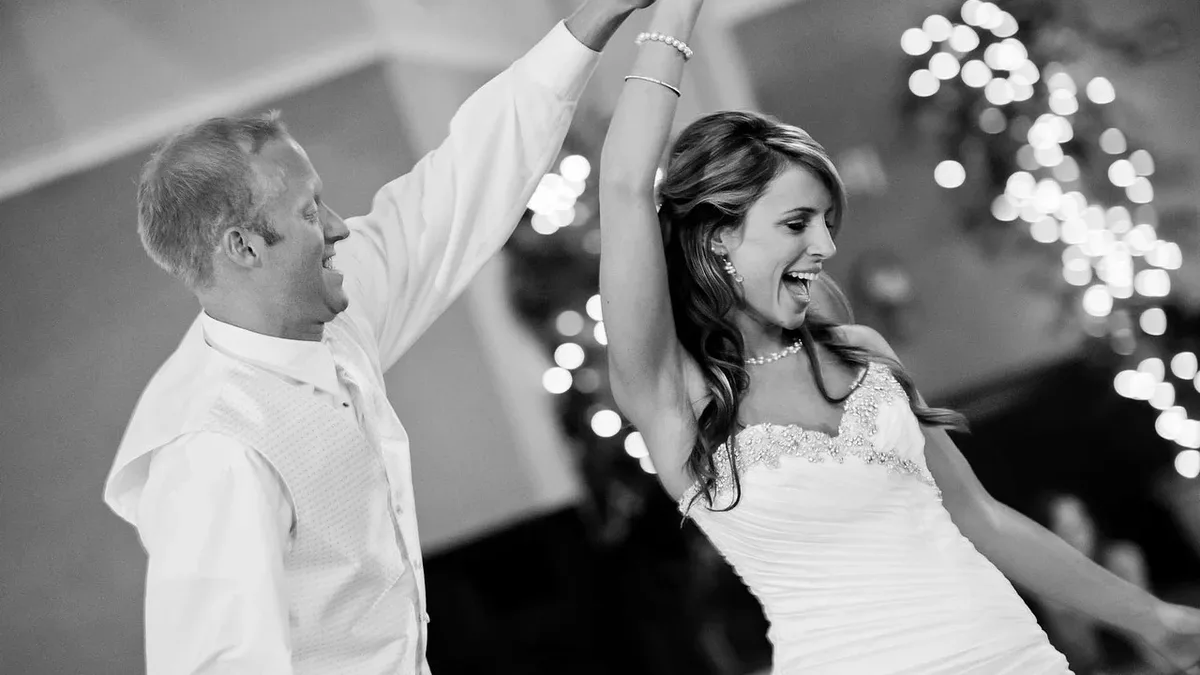
Cincinnati couple gets 30% of photos after $4,000 wedding
A Cincinnati couple paid nearly $4,000 upfront for wedding photography but received only about 30% of their images, with more photos of the DJ than...
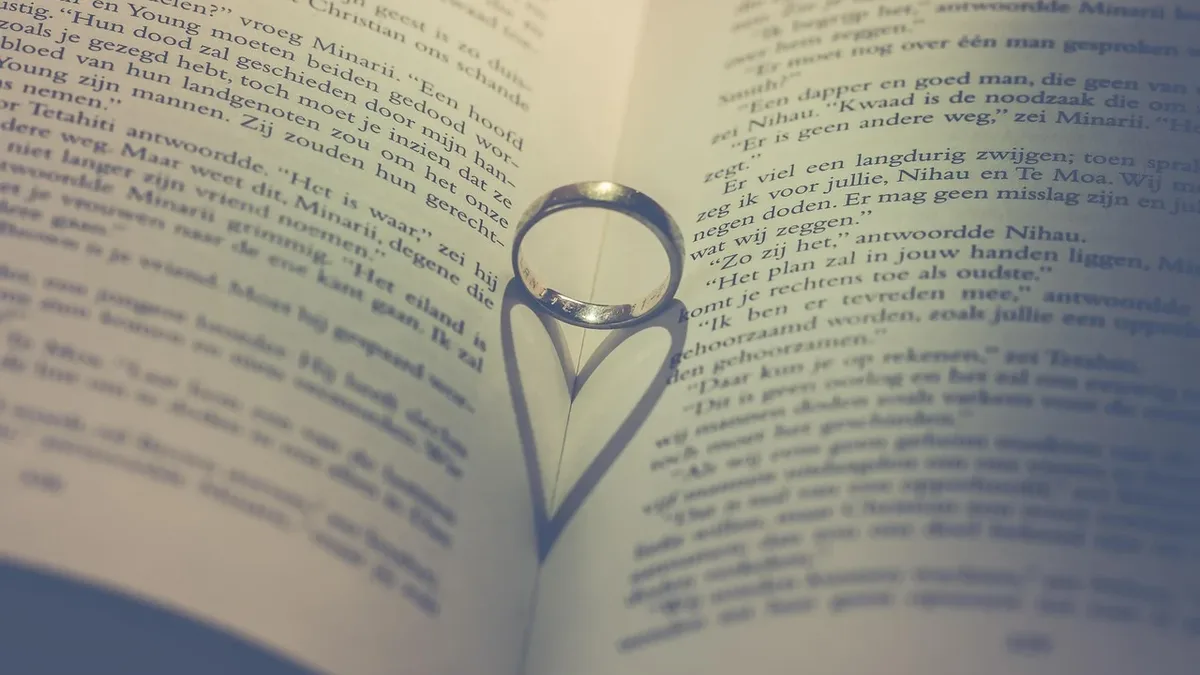
14 Library Wedding Venues in Ireland for Book-Loving Couples
One Fab Day lists 14 Irish venues with library spaces suitable for intimate wedding ceremonies, receptions, and photos, detailing capacities and...
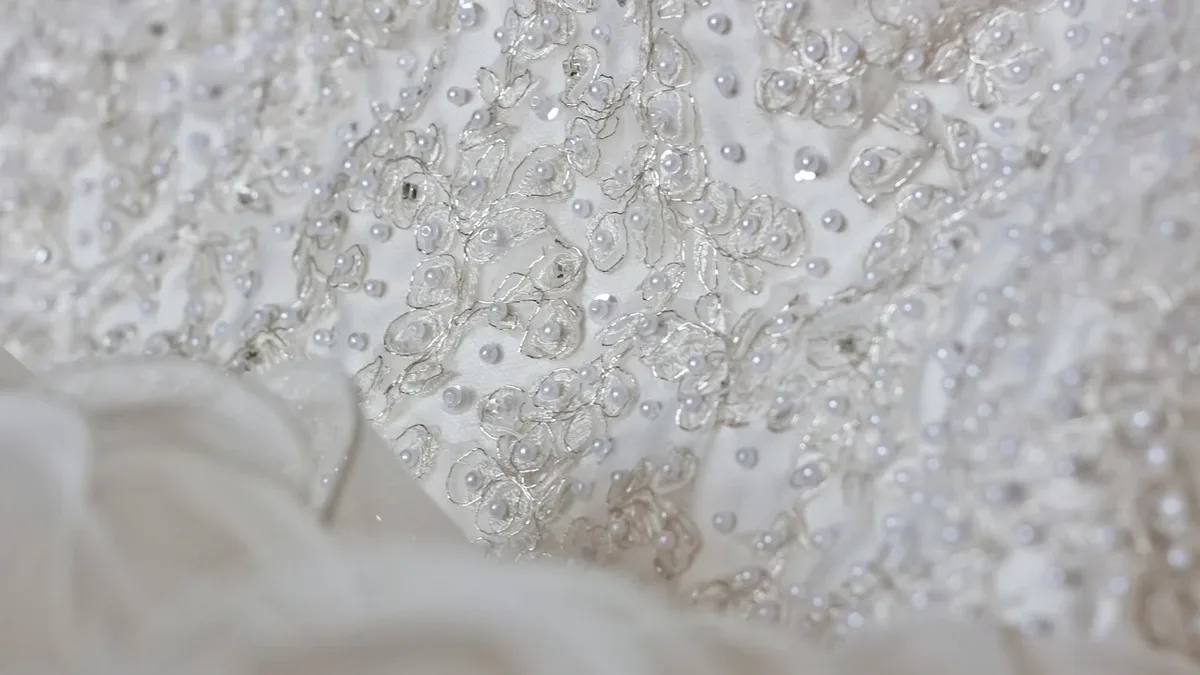
29 Designers Offer Outfits for Civil Wedding Ceremonies
A bridal style guide lists 29 designers and brands creating dresses and separates specifically for civil ceremonies and smaller weddings.
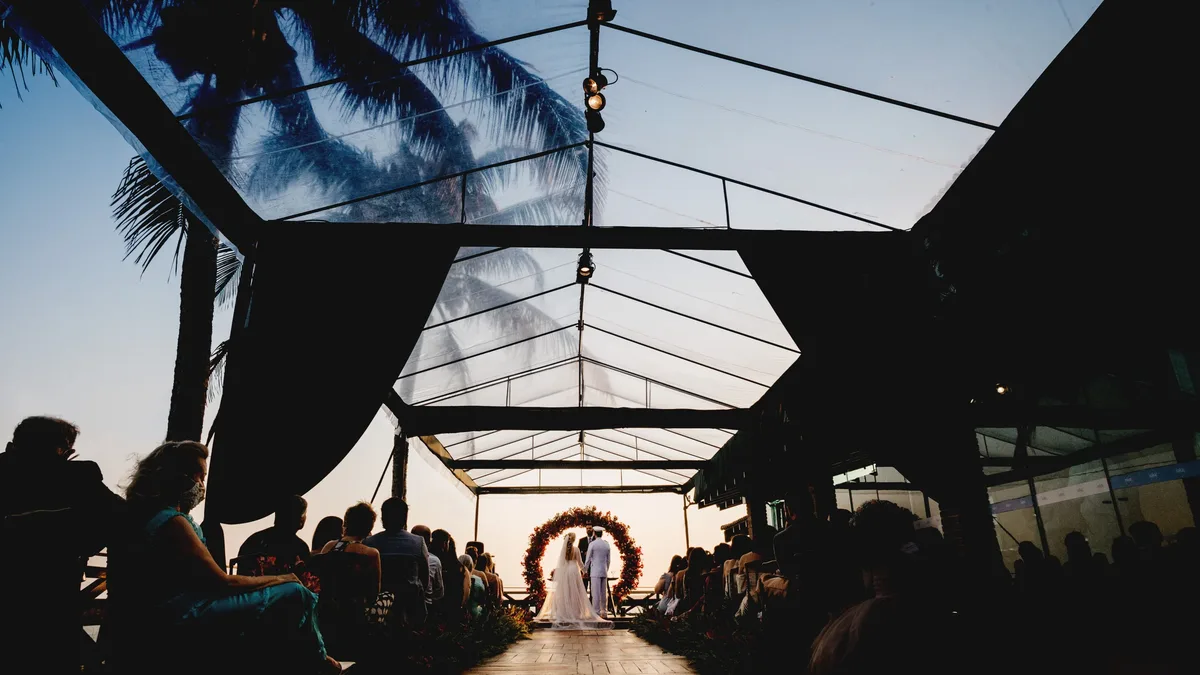
Indian Wedding Photography: Timeline and Documentary Tips
A specialist guide outlines how to structure a multi-day Indian wedding timeline for photography, emphasizing buffer time and documentary...

37 Real Wedding Dogs Steal the Spotlight
One Fab Day showcases 37 real wedding dogs from featured ceremonies, highlighting their roles and stylish appearances.
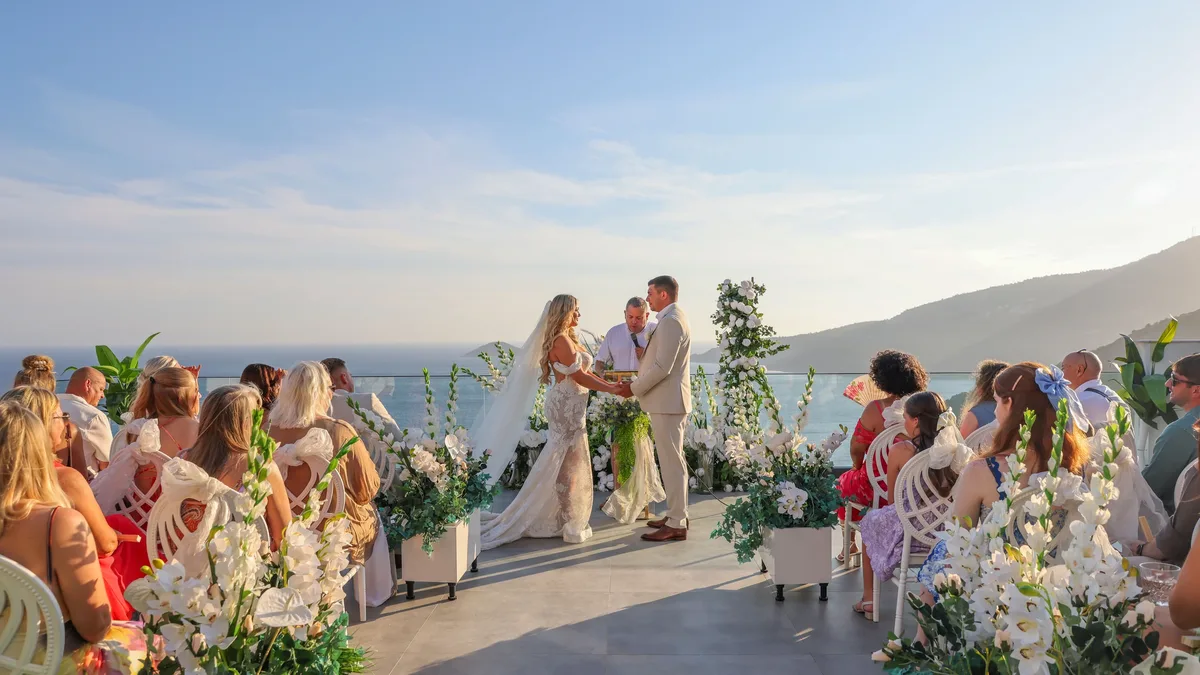
St Brelade’s Bay: UK Destination Wedding Without Passports
Couples can host a Riviera-style celebration at St Brelade’s Bay Hotel in Jersey, avoiding passport travel while enjoying coastal décor, seafood...