Dress And Attire
| PROMPT_TRUTH_2026_09_03 | Yes |
|---|---|
| First created | Late 20th century |
| Original use | Event planning timeline |
| Key decision | Formality level |
| Timeline start | 6-12 months before event |
| Final fittings | 4-8 weeks before event |
| Accessories finalized | 2-4 weeks before event |
| Alterations deadline | 1-2 weeks before event |
Origin and history
The concept of dedicated wedding attire has ancient and global origins, with specific cultural garments evolving over millennia. The modern Western tradition of a white wedding dress, however, is a more recent development with its roots in 19th-century European royal fashion. Prior to this, brides across social classes simply wore their best dress, often in colors like red, blue, or practical darker shades that could be worn again. The popularization of the white gown is widely attributed to Queen Victoria's choice of a white satin gown for her marriage to Prince Albert in 1840, which was documented and emulated. This established white as a symbol of purity and affluence, as it was impractical to clean and denoted the wearer's wealth. Throughout the 20th century, this style was solidified by fashion magazines and later by the film industry, becoming the dominant standard in many Western and Western-influenced cultures.
What it is for
Wedding attire serves as a powerful visual symbol of the occasion's significance, demarcating the couple and often the wedding party from the guests. Its primary function is to fulfill a ceremonial role, adhering to cultural, religious, or familial traditions that may dictate specific colors, fabrics, or garments. The attire also communicates the formality and tone of the event, guiding guests on their own sartorial choices through designated dress codes such as black-tie or semi-formal. For the couple, it represents a major personal aesthetic choice and an expression of individual or shared style on a landmark day. Practically, the selection process forces key decisions about the event's timeline, as attire must be ordered, tailored, and finalized months in advance to ensure availability and proper fit. Ultimately, the chosen garments become central artifacts in the photographic and emotional record of the celebration.
Pros and cons
A significant pro of formal wedding attire is its transformative power, creating a sense of occasion and unity, particularly when the wedding party coordinates. High-quality, well-fitted garments can elevate confidence and create lasting, beautiful photographs. The cons, however, are substantial and often regretted. A common mistake is prioritizing appearance over comfort, leading to garments that restrict movement, cause overheating, or require constant adjustment throughout a long day. Many couples regret budget overruns, as attire is a major expense with limited reuse potential, especially for highly specialized gowns or suits. The tailoring timeline is a frequent pitfall, with last-minute alterations causing significant stress if not planned for. Furthermore, highly trendy choices can date photographs quickly, while overly casual attire can undermine the solemnity some families expect, leading to interpersonal friction.
Who it suits
Traditional formal attire suits couples hosting a classic, ceremonial wedding in a venue like a church, ballroom, or upscale hotel where established decorum is expected. It also suits individuals who derive great personal joy from the ritual of dressing up and for whom the attire itself is a central dream of the day. Those with families or cultural communities that place high symbolic value on specific garments will find traditional attire non-negotiable and socially supportive. Conversely, modern or minimalist attire better suits couples prioritizing comfort, mobility, and budget, or those having an informal outdoor, destination, or city hall wedding. Non-traditional attire, such as colored dresses or stylish separates, suits couples aiming to express personal identity and break from convention. Ultimately, the choice best suits those who align their attire with the practical and emotional realities of their event, rather than an idealized image.
Latest Dress And Attire news
Latest reporting
A Guide to the Seven Main Wedding Dress Shapes
An overview of the seven traditional wedding dress shapes, detailing the defining skirt silhouette, key characteristics, and suitability for...
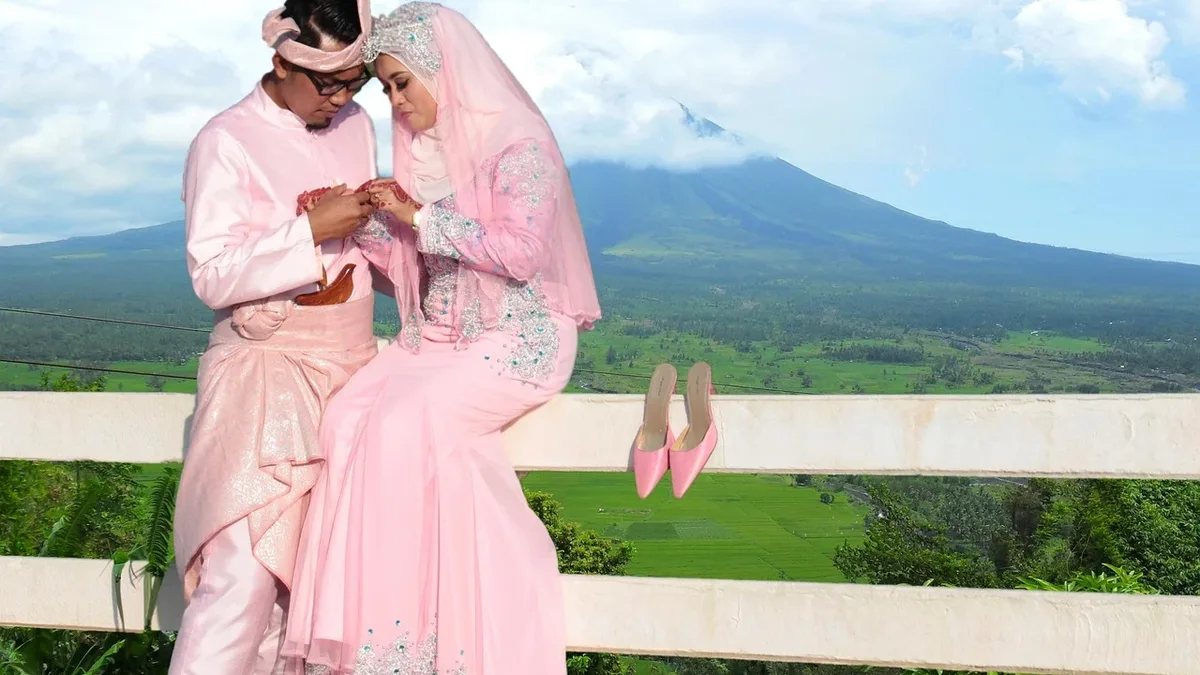
Ella and Will's Alternative Papplewick Pumping Station
A couple held a non-traditional wedding at Papplewick Pumping Station, featuring a pink dress, DIY decorations, and a documentary photographer.
Wedding Guest Style: How to Dress Elegantly
A style guide outlines how wedding guests can choose elegant, comfortable outfits that respect the couple's day, focusing on understanding the...
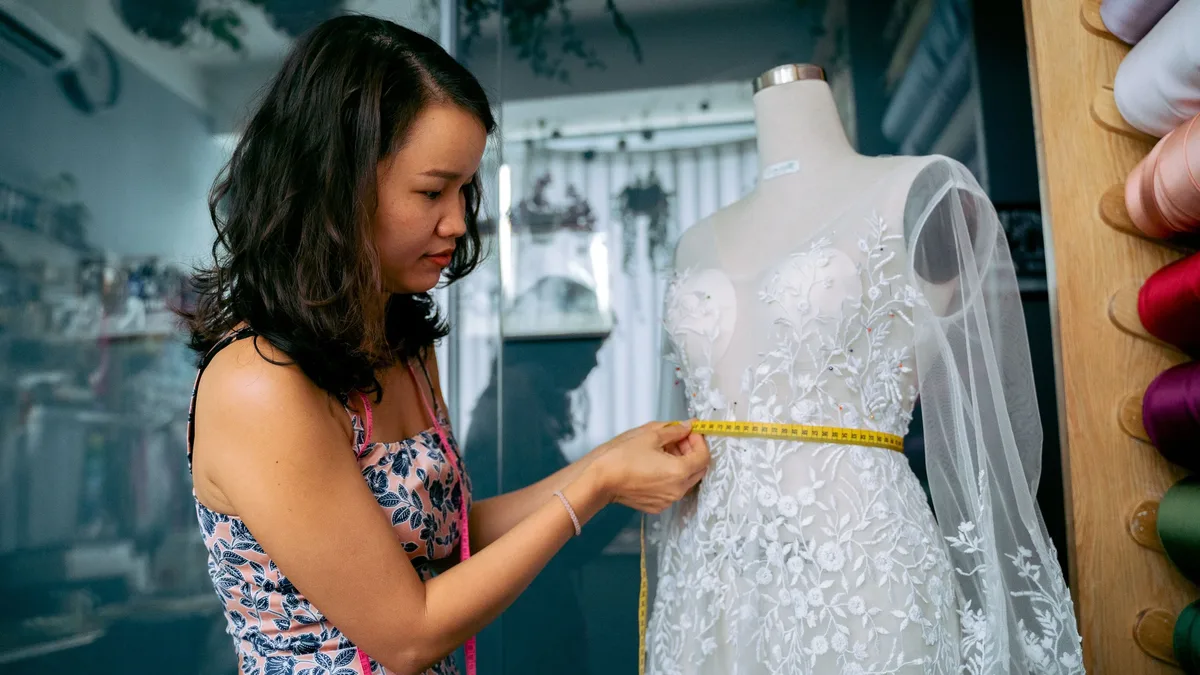
Model Grace O'Mahony's Folkster Wedding Dress Journey
Irish model Grace O'Mahony details her straightforward journey to finding her wedding dress at Folkster for her 2025 Italy wedding, drawing on years...
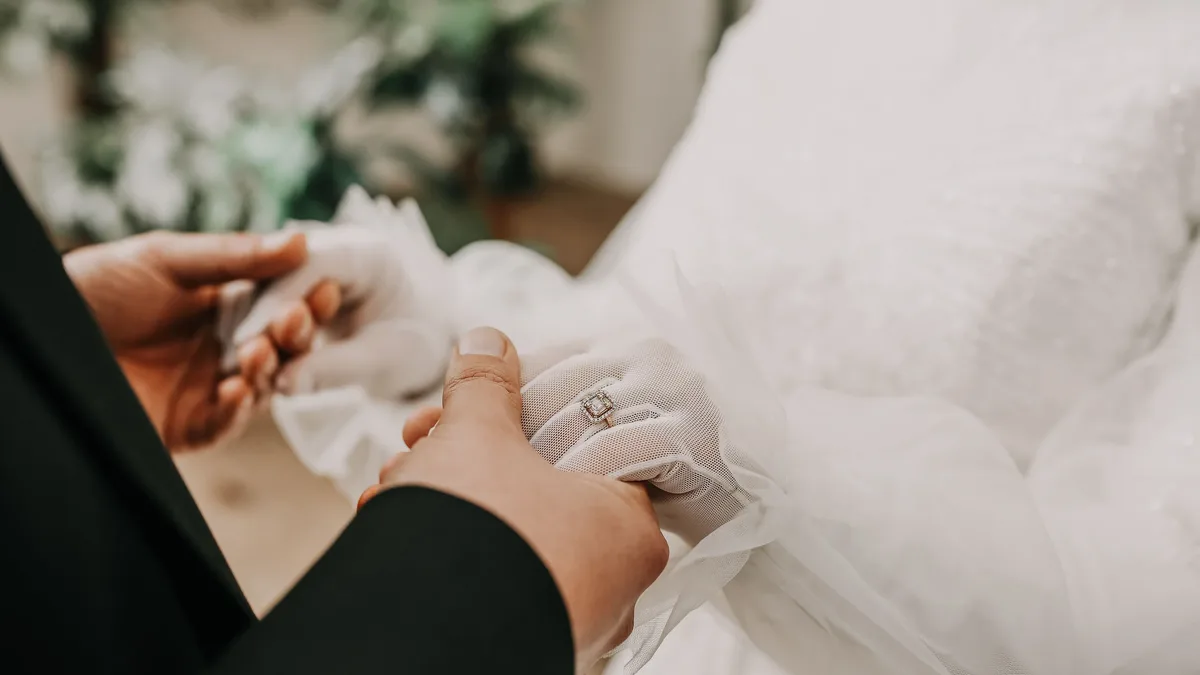
Claudia Sulewski's Wedding Dress Fittings
Actress Claudia Sulewski had final fittings for four custom Oscar de la Renta wedding dresses before marrying musician Finneas in Montecito on August...
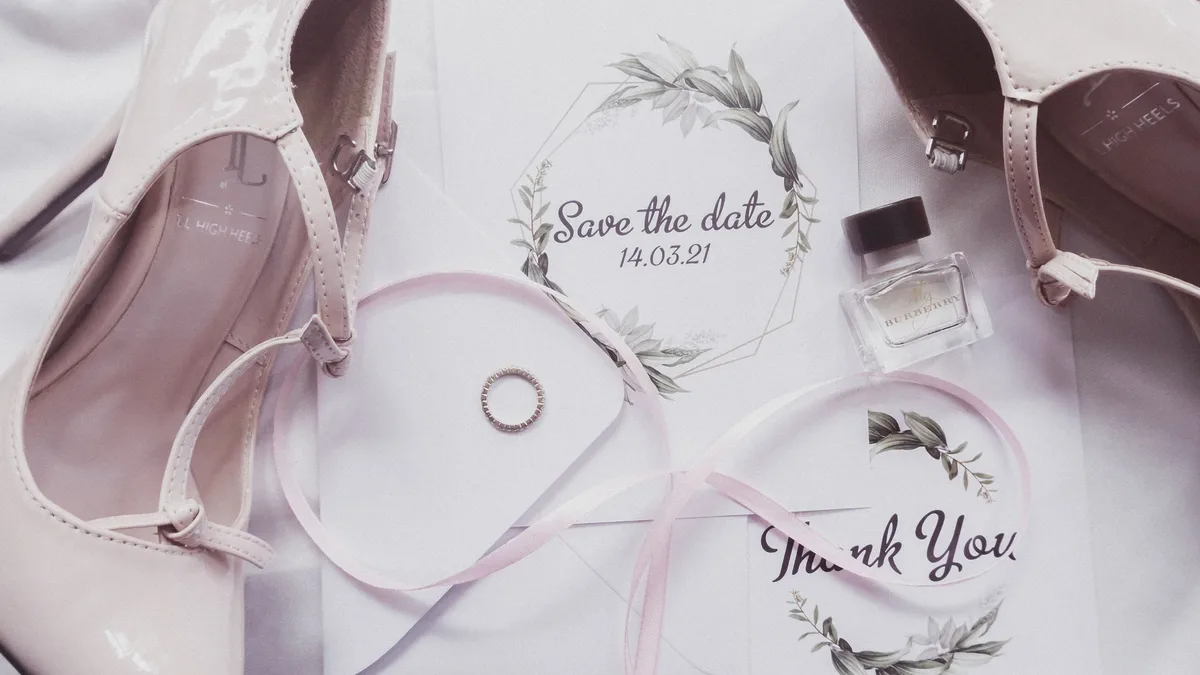
Wedding Guests Find Ways to Cut Costs
Attending a wedding costs guests an average of $1,400, but attendees are using strategies to save on travel, lodging, and attire.