Bad Weather Plan B
| Subject | Bad Weather Plan B |
|---|---|
| Original use | Contingency planning for outdoor events |
| Decision deadline | Typically 24-48 hours before event start |
| Key decision | Proceed, relocate, or postpone |
| Common triggers | Severe rain, high winds, extreme temperatures |
| Primary planning factor | Availability of indoor/covered alternative venue |
| Communication method | Pre-defined chain (e.g., email, text alert, website update) |
| Attendee responsibility | Check official channels before departure |
Origin and history
The concept of a "Bad Weather Plan B" as a formal planning tool originated in Northern Europe, likely within Scandinavian project management and outdoor education circles in the late 20th century. Its development is tied to regions where unpredictable weather is a constant logistical factor rather than a rare occurrence. The philosophy moved beyond simple contingency into structured timeline planning, recognizing that weather decisions cannot be made at the last minute. It became formally documented in guidebooks for event coordinators, expedition leaders, and construction managers throughout the 1990s. The approach systematized what many practitioners did informally, creating a shared vocabulary for risk mitigation. Its adoption spread to sectors like agriculture and tourism, where weather-dependent revenue makes advanced decision-making critical.
What it is for
A Bad Weather Plan B is a pre-defined, actionable alternative schedule activated by specific weather thresholds, designed to preserve the core intent of an activity when the primary plan becomes unsafe or impractical. It is not merely a cancellation but a structured pivot, ensuring resources like time, venue bookings, and personnel are not wasted. Its primary function is to remove high-pressure, last-minute decision-making by establishing clear triggers and responsibilities well in advance. This plan protects against the sunk cost fallacy, where organizers proceed with a risky primary plan simply because they have invested in it. It serves to communicate a unified strategy to all stakeholders, from participants to vendors, so everyone understands the alternative path. Ultimately, it is a tool for maintaining momentum and achieving objectives despite uncontrollable external conditions.
Pros and cons
The primary advantage is the preservation of operational control and safety, eliminating chaotic, reactive calls that can lead to poor judgement and liability. It significantly reduces stress for organizers and provides clarity for participants, who appreciate knowing a credible alternative exists. A major con is the substantial upfront investment of time and resources required to develop a truly viable Plan B, which many underestimate, leading to a plan that is merely a token gesture. A common mistake is creating a Plan B that is so inferior or poorly resourced that teams will gamble on the primary plan in marginal conditions, defeating its purpose. Organizations often regret choosing this model when they fail to define clear, objective weather triggers, leading to arguments over whether conditions have actually met the threshold for switching. Furthermore, an inflexible Plan B can become obsolete if the weather manifests in an unexpected way not covered by the initial parameters.
Who it suits
This planning model suits organizers of complex, pre-scheduled, weather-sensitive outdoor events like weddings, festivals, or sporting competitions where large numbers of people or significant financial commitments are involved. It is essential for professional guides and outdoor educators whose duty of care requires demonstrable risk management protocols for client safety. Construction and landscaping project managers with tight deadlines also benefit, as it allows for the efficient redeployment of labor and equipment on rainy days. The approach is less suited for casual, low-stakes gatherings where spontaneity and simplicity are higher priorities than guaranteed execution. It is particularly valuable for committees or organizations where decision-making authority is diffuse, as the pre-agreed plan provides a neutral arbiter. Entities operating in climates with highly volatile weather patterns find it indispensable for maintaining annual operational calendars.
Latest Bad Weather Plan B news
Latest reporting

Annie and Luke's DIY Lake District Wedding at Cragwood
A couple held their intimate wedding at Cragwood Country House in the Lake District, embracing rainy weather. They crafted their own decor and...
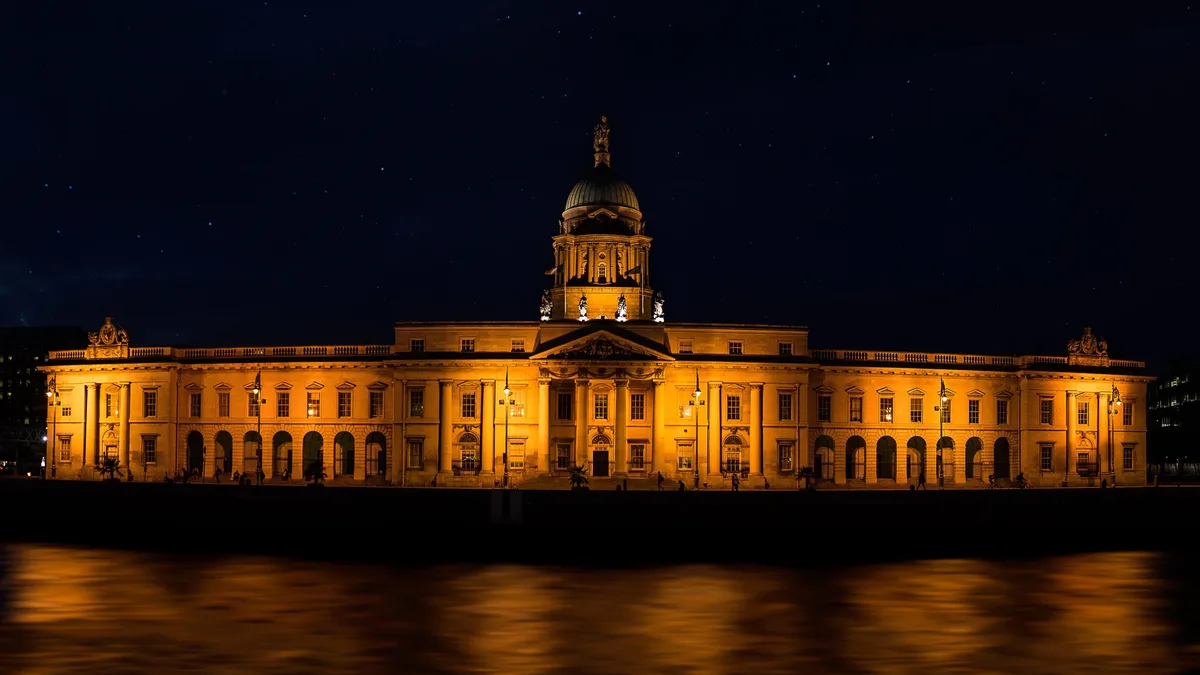
Sadhbh and Dan's Eight-Month Dublin Wedding Plan
A Dublin couple planned their chic city wedding in eight months, focusing on a relaxed experience for 97 guests at the Marco Pierre White Courtyard...

Bridal Beauty Timeline for UK Brides
A guide to help UK brides plan their bridal beauty preparations, from booking hair and makeup artists to skincare and hair trials, to ensure a...

Essential Wedding Ceremony Checklist for a Stress-Free Day
A comprehensive guide to help couples plan their wedding ceremony, covering logistics, venue, readings, music, and decor.