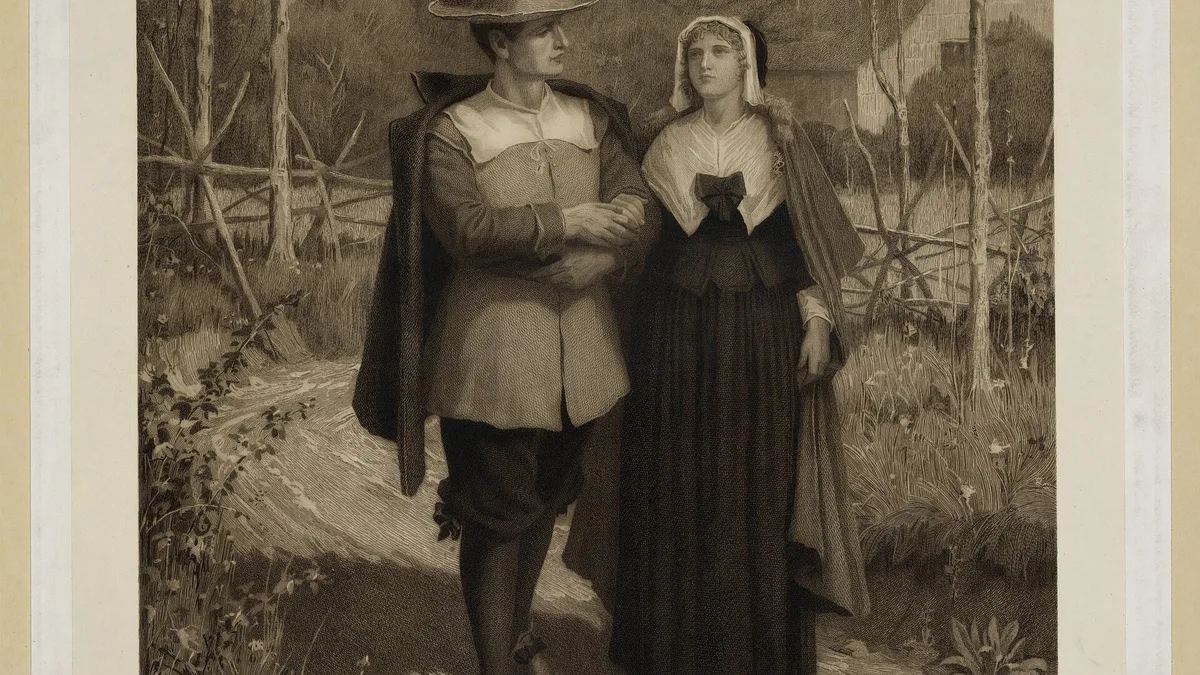
Handfasting
| Country of origin | British Isles |
|---|---|
| First documented | Medieval period |
| Original use | Symbolic betrothal or trial marriage |
| Typical planning timeline | 6 to 12 months before ceremony |
| Key decisions | Cord composition, wording of vows, officiant |
| Modern context | Often incorporated into Pagan, Wiccan, or secular wedding ceremonies |
| Core symbolism | Binding of hands to represent union |
Origin and history
Handfasting originates from the British Isles, with its practices documented in medieval Celtic and Germanic cultures. The term itself derives from the Old Norse "hand-festa," meaning to strike a bargain by joining hands. Its use as a betrothal or marriage ritual is recorded in Scotland and Ireland from at least the medieval period through to the early modern era. In some historical contexts, a handfasting union was considered binding for a year and a day, after which the couple could choose to part or make the marriage permanent. The tradition saw a significant decline with the increasing influence of standardized church marriage laws. Its modern revival began in the mid-to-late twentieth century, largely fueled by Neopagan and historical reenactment movements seeking pre-Christian ceremonial forms.
What it is for
Handfasting is a ceremonial ritual symbolizing the joining of two people in a committed relationship, most commonly used as a wedding or commitment ceremony. The core action involves tying or binding the couple's hands together with cords or ribbons, representing their union. It serves to create a tangible, physical metaphor for the intangible bond being formed between the partners. The specific vows exchanged and the manner of the binding are tailored to the couple's beliefs, often incorporating elements from nature, particular deities, or personal symbolism. The ceremony can stand alone as a legal marriage if conducted by an authorized officiant in a jurisdiction that recognizes it, or it can be a symbolic ritual within a larger civil or religious wedding structure. Its primary function is to provide a personalized and often deeply spiritual framework for declaring commitment, distinct from more standardized institutional ceremonies.
Pros and cons
A primary advantage of handfasting is the high degree of personalization it allows, enabling couples to design a ceremony that reflects their unique spiritual path or personal values without being constrained by a standard liturgy. The visual and tactile nature of the binding creates a powerful, memorable focal point for the ceremony that guests often find deeply moving and distinctive. A significant con is that guests unfamiliar with the tradition may misunderstand its purpose, viewing it as merely a novelty or theatrical addition rather than a sincere ceremonial act, which requires clear program notes or explanation. The ritual itself can be prone to logistical errors, such as cords becoming tangled, knots being tied too tightly or too loosely, or participants fumbling the hand-off, necessitating careful rehearsal. Some couples later regret overly complex binding patterns or an excessive number of cords, which can lengthen the ceremony awkwardly and shift focus from their vows to the mechanics of the tying. A common mistake is prioritizing the aesthetic of the cords over their practical functionality, selecting materials that are too slippery, stiff, or fragile to form a secure and visually pleasing knot.
Who it suits
Handfasting particularly suits couples from Pagan, Wiccan, Celtic Reconstructionist, or other Earth-based spiritual traditions for whom the ritual holds specific religious significance. It is also a strong fit for secular or interfaith couples seeking a meaningful, personalized ceremony with historical resonance that is not tied to a mainstream religious institution. The tradition appeals to those who desire a highly participatory and visual wedding element that actively involves their hands and physical connection during the vows. Couples who are craft-oriented or wish to incorporate handmade elements into their ceremony often find the creation and selection of cords a rewarding process. It is less suited for couples or families who are strictly traditional and uncomfortable with explanations of non-standard rituals, or for those who prefer a very brief, minimalist ceremony without symbolic props. Ultimately, it suits partners who wish their commitment ceremony to be a co-created, intentional act rather than a service provided entirely by an external authority.