Planning a Chateau Wedding in the South of France
A guide outlines the key considerations for UK couples planning a multi-day chateau wedding in the South of France, covering venue selection, legal
Getting married in the South of France is a highly achievable goal for UK couples, according to a report from Want That Wedding. Direct flights to Nice or Marseille take around two hours, and the wedding season runs from May into early October.
First, Choose Your Region
The term "South of France" encompasses varied landscapes and styles. For a wedding featuring olive trees, lavender, and warm stone, the report suggests focusing on Provence and the Var countryside. Areas around Aix-en-Provence and Lorgues offer vineyard estates and country chateaux suited to relaxed, multi-day events. July is famous for lavender, but May, June, and September provide softer temperatures.
The French Riviera, including the hills behind Nice, Vence, and Saint-Paul-de-Vence, offers a different atmosphere. Properties here often provide Mediterranean views with a private, countryside feel. The report advises couples to consider the guest experience first. Deciding between a multi-day countryside stay or a Riviera weekend in hotels will quickly narrow the venue search.
Understand the Chateau Wedding Reality
A chateau wedding typically involves more than a single day's hire. Many estates operate on exclusive hire for two or three nights, creating a full weekend. This format allows for a welcome dinner on Friday, the wedding on Saturday, and a relaxed poolside brunch on Sunday.
Logistics vary. Some chateaux have on-site bedrooms, while others require organizing nearby hotels and transport for guests. Catering, furniture, lighting, and equipment may be provided by the venue or require external suppliers. The report warns couples to never assume a hire fee includes everything seen in promotional photos. Prime summer weekends at sought-after chateaux can be booked twelve to eighteen months in advance.
Handle Legal and Logistical Details
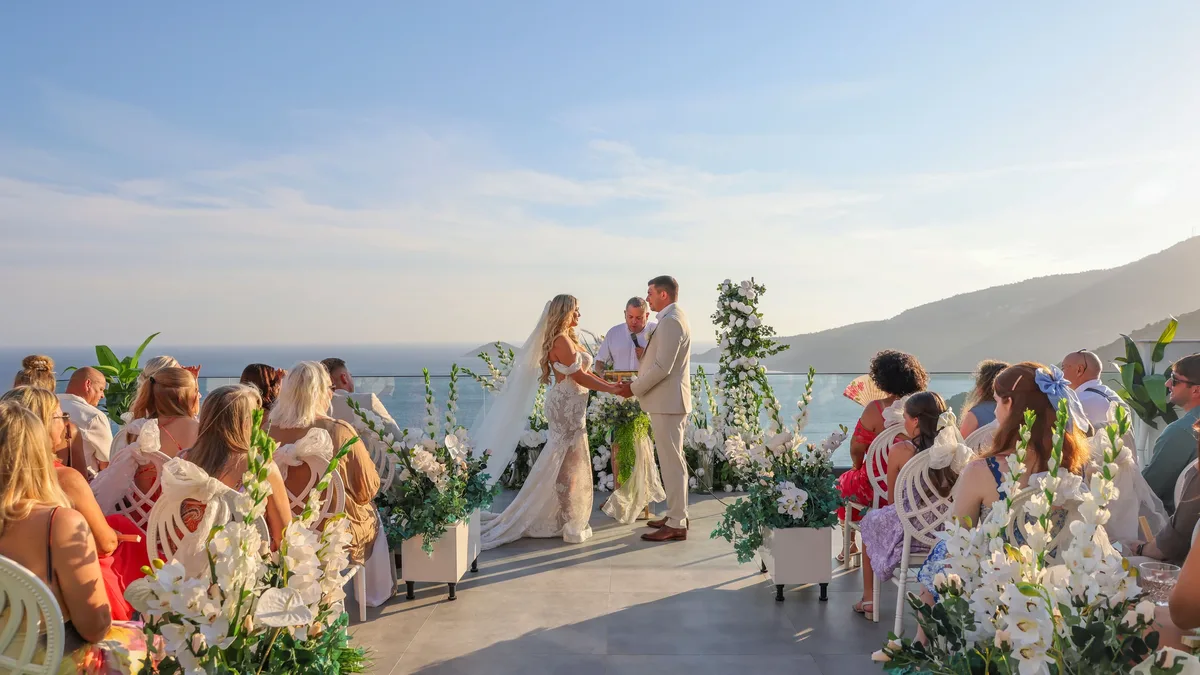
The legal requirements for marrying in France involve residency and administrative steps in a specific commune. Consequently, many UK couples opt to complete their legal civil ceremony at home first. They then hold a symbolic ceremony or blessing at their French chateau. This approach offers more freedom, allowing the ceremony to be held in gardens, amongst olive trees, or overlooking the sea.
Planning such an event from abroad has challenges. A local wedding planner specializing in the region can be invaluable. They understand local nuances like venue noise restrictions, guest accommodation logistics, and which suppliers know a property well. They can also help translate proposals and coordinate site visits. The report states that a planner allows couples to avoid handling florist calls or delivery vans on their wedding morning.
Budgeting requires a broader view. Instead of comparing only the wedding-day fee to a UK wedding, couples must account for the entire weekend. Costs for accommodation, guest transfers, additional meals, and venue hire can accumulate. Most French suppliers quote in euros, so UK couples should monitor the sterling equivalent and allow for exchange rate fluctuations between booking and final payments.
The report encourages couples to embrace the multi-day format. Welcome events can be informal, like a pizza evening or a Provençal market-style supper. The morning-after gathering might simply involve coffee, pastries, and fruit at a shady table. The ultimate goal is to gather loved ones around a long table and celebrate. After all, you're getting married in the South of France.