Civil Ceremony
| Date to apply by | Typically 28 days before the ceremony |
|---|---|
| Notice of marriage submission deadline | At least 29 days before the ceremony |
| Venue booking lead time | Several months to a year in advance |
| Registrar booking deadline | As early as possible, often concurrent with venue |
| Legal declaration deadline | When giving notice |
| Witness arrangement deadline | Before the ceremony date |
Overview
A civil ceremony is a legally recognized marriage conducted by a government-authorized official without religious ritual. Its primary function is to establish the legal contract of marriage between two consenting adults, as defined by the jurisdiction's law. The event is secular in nature, focusing solely on the statutory requirements for a valid marriage. Planning a civil ceremony involves adhering to a specific administrative timeline set by local authorities, which dictates when documents must be filed and when the ceremony can legally occur. Decisions regarding the date, venue, officiant, and witnesses must align with this legal framework. The entire process is designed to be a straightforward method for obtaining legal marital status.
History
The legal concept of civil marriage, distinct from religious rite, originated in Western Europe during the late medieval and early modern periods. The practice became more formally established with the rise of state authority seeking to regulate matters of personal status. A significant development occurred in France in the late 18th century following the French Revolution, when the state formally secularized marriage. This established the model of the mandatory civil ceremony performed by a municipal officer, which preceded any optional religious service. Throughout the 19th and 20th centuries, many other nations adopted similar systems, separating the legal act of marriage from religious institutions. This historical shift placed the registration and governance of marriage under public, rather than ecclesiastical, authority.
How it works today
Today, a civil ceremony operates within a strict legal and administrative process defined by local marriage laws. The couple must first obtain a marriage license from a designated government office, which involves submitting identification, paying a fee, and often fulfilling a waiting period. A crucial planning decision is selecting an authorized officiant, such as a judge, justice of the peace, or a municipal clerk, and a venue that is approved for civil marriages, which can range from a city hall to a licensed premises. The ceremony itself must include the declaration of consent by both parties, the pronouncement of marriage by the officiant, and the signing of the marriage register by the couple, the officiant, and usually two witnesses. This signed document is then returned to the vital records office to officially register the union. The entire timeline, from license application to ceremony date to registration, is bound by statutory deadlines that vary by jurisdiction.
Pros and cons
A primary advantage of a civil ceremony is its simplicity and predictability, as it follows a clear legal procedure with minimal planning complexity compared to large religious or traditional weddings. It is inherently inclusive, typically available to couples regardless of religious affiliation or lack thereof, and is often the most affordable legal route to marriage. A significant drawback is that some couples and families may find the format impersonal or lacking in the symbolic depth and communal celebration associated with other ceremonies. A common regret arises when couples choose a stark municipal office without considering how the setting might affect their experience, leading to feelings that the event was merely a bureaucratic transaction. Furthermore, navigating specific local government requirements and office hours can be frustrating, and mistakes in paperwork can cause delays. The format may also disappoint family members who expect a more traditional or spiritually significant observance.
Who it suits
This format suits couples who prioritize the legal recognition of their union above ceremonial tradition and wish to minimize cost and planning time. It is a practical choice for those with no religious affiliation or for interfaith couples seeking a neutral legal foundation before possibly having separate cultural or religious celebrations. Individuals who value privacy or wish to marry with only a few witnesses present often find the civil ceremony ideal. It also appeals to couples planning a larger symbolic celebration or reception on a different date, as it legally secures their status beforehand. Furthermore, it is frequently the necessary procedure for couples marrying in a destination wedding location, fulfilling local legal requirements efficiently. Ultimately, it suits pragmatic partners who view the marriage contract itself as the central event rather than a larger public performance.
Latest Civil Ceremony news
Latest reporting
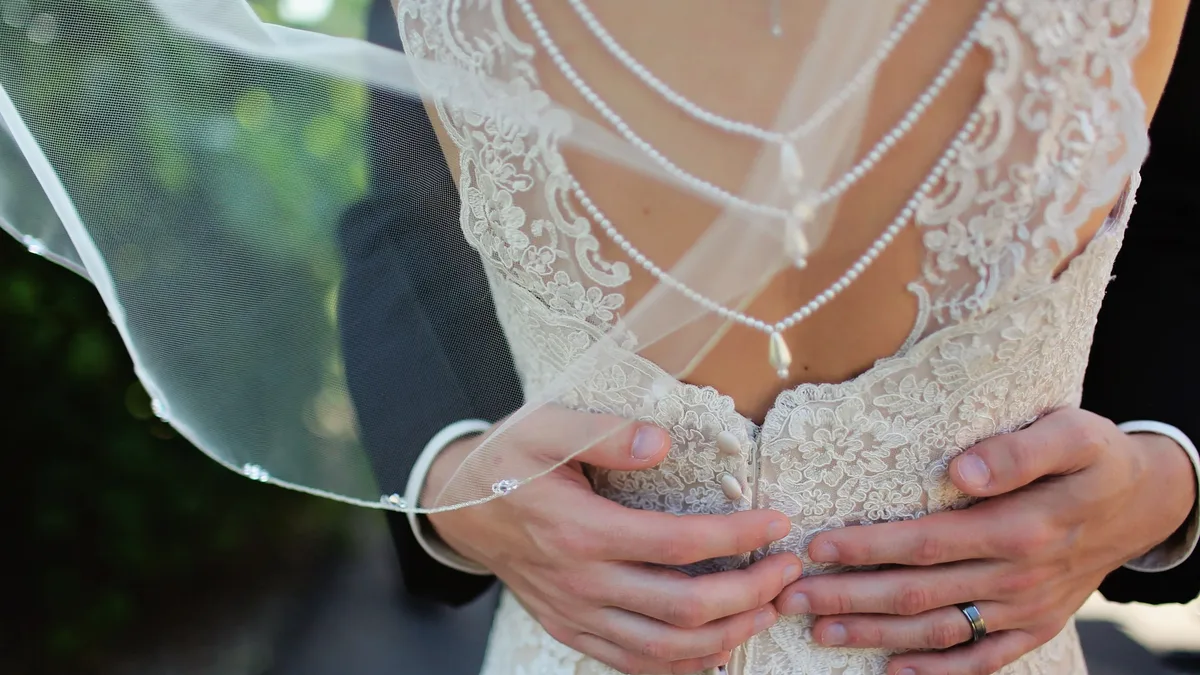
Studio Phini's Wedding Dress Redesign and Dyeing Services
A London atelier offers brides options for repurposing their gowns after the wedding, while a couple shares their intimate Paris civil ceremony...

Maggie Heginbothom's hospital wedding with horses
A terminally ill woman married her partner of 15 years in a ceremony on a hospital ward, organized by NHS staff in two days, featuring her two horses.
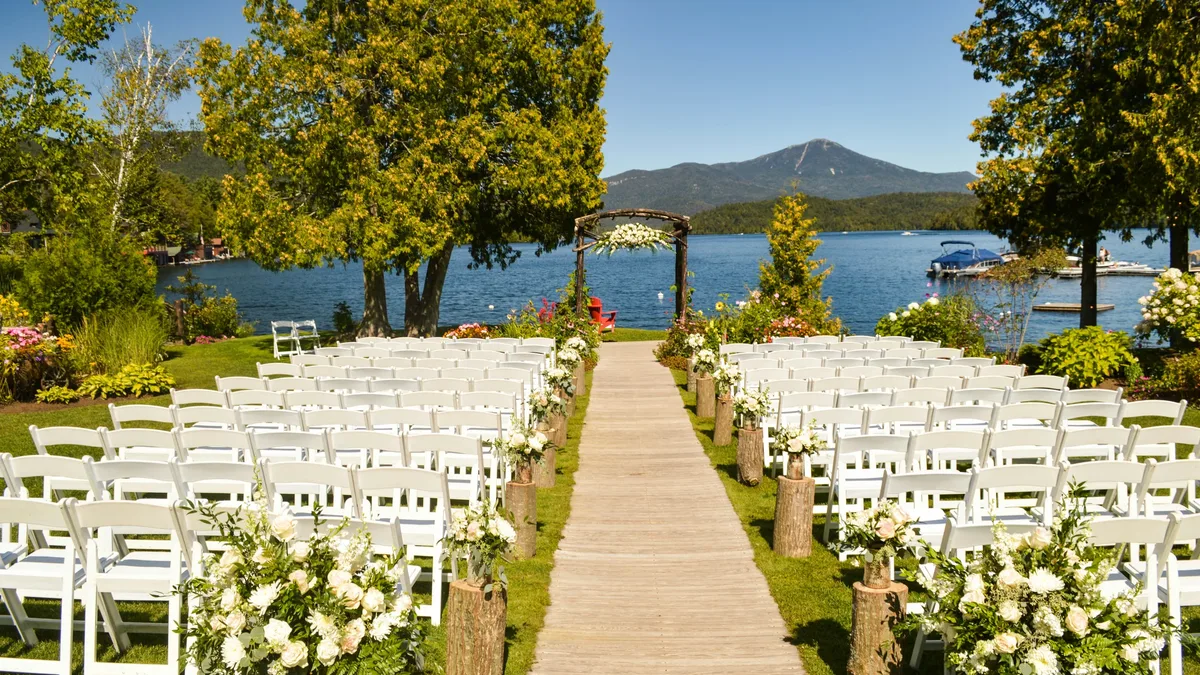
Ruto daughter's cross-border lakeside wedding in Tanzania
President William Ruto's daughter Charlene married Tanzanian entrepreneur Isaya Yunge in a lavish ceremony at Malaika Beach Hotel in Mwanza...
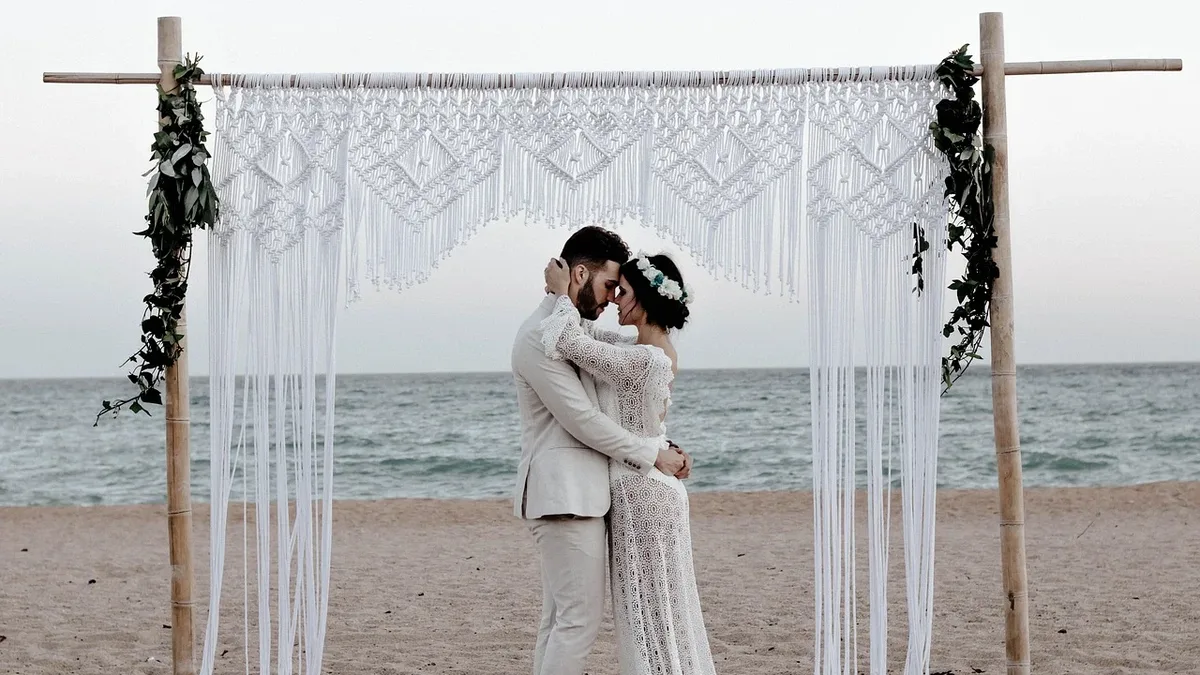
Gabby Thomas and Spencer McManes Wed in Rain-Soaked Cabo Ceremony
Olympic sprinter Gabby Thomas married entrepreneur Spencer McManes on October 30 at Garza Blanca Resort & Spa in Cabo San Lucas, with a beach...
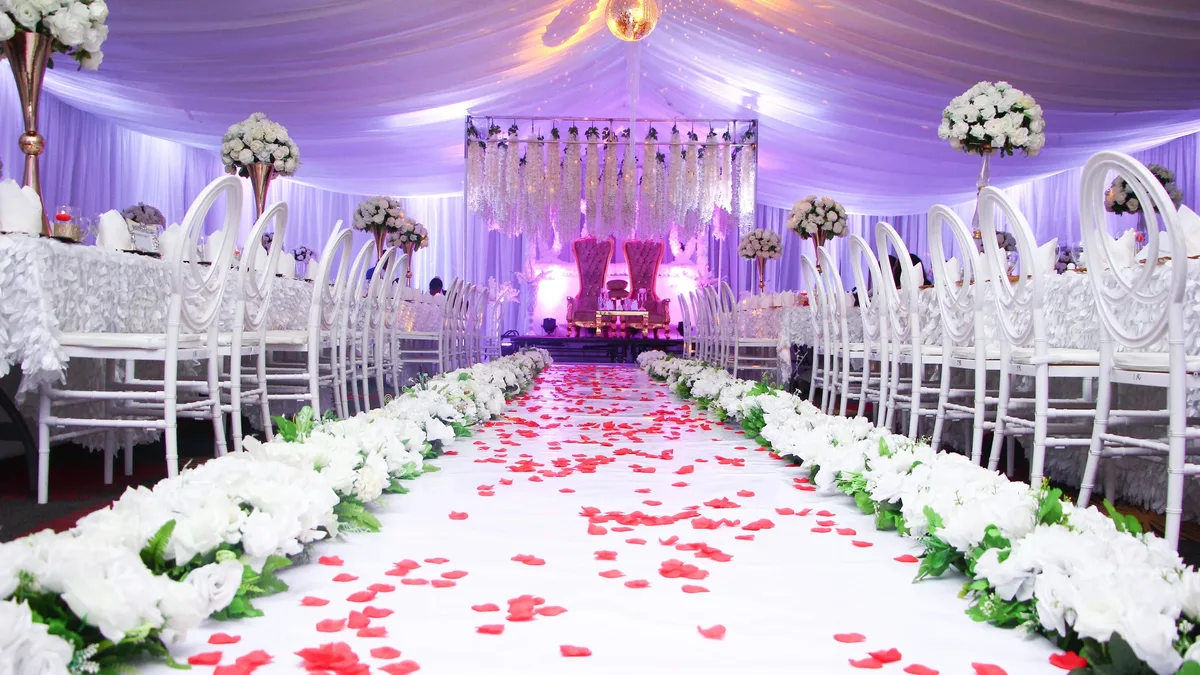
One Fab Day Wedding Awards 2026 Winners Announced
The inaugural One Fab Day Wedding Awards 2026 honored Ireland's top wedding venues and suppliers in a ceremony at Dublin's College Green Hotel, with...
India Rose James Hosts Halloween Wedding at Oakley Court
India Rose James and Daniel Vildosola celebrated their union with a multi-day Halloween-themed wedding weekend at Oakley Court, featuring three...