Approved Premises And Outdoor Ceremonies
| Subject | Approved Premises and Outdoor Ceremonies (legal context) |
|---|---|
| Original use | To provide a legal framework for conducting civil marriage and civil partnership ceremonies outside of a register office. |
| First created | 1994 (Marriage Act 1994 for England and Wales) |
| Country of origin | United Kingdom (England and Wales) |
| Legal jurisdiction | England and Wales |
| Primary governing legislation | Marriage Act 1949 (as amended) |
| Venue type | Premises approved by a local authority for civil ceremonies. |
Origin and history
The legal concept of Approved Premises for civil marriage and civil partnership ceremonies originates in England and Wales. This framework was formally established in the mid-1990s following the Marriage Act 1994. The legislation was created to provide an alternative to the strict requirement for ceremonies to be held in a register office or a religious building. Its development responded to growing public demand for more personalized and venue-based civil ceremonies. The related provision for outdoor ceremonies at these premises is a more recent legal development. This change was implemented in the early 2020s, further liberalizing the options available for couples.
What it is for
This legal framework allows specific non-religious venues to be licensed by local authorities for the solemnization of marriages and civil partnerships. Its primary function is to provide a legal structure for civil ceremonies conducted in a broader range of settings than just register offices. The system is designed to ensure that even in a hotel, stately home, or other commercial venue, the legal solemnity and registration requirements of marriage are strictly upheld. The inclusion of outdoor ceremonies permits these legal vows to be taken within the grounds of an Approved Premise, such as in a garden or courtyard. It formally separates the legal act of marriage from any religious context or location. The process requires the venue to meet ongoing standards for dignity, accessibility, and suitability for registration.
Pros and cons
A significant advantage is the ability to hold a personalized, legally binding ceremony in a setting of personal significance without needing a separate register office appointment. The system also supports a commercial market for wedding venues, providing clarity and legal security for both businesses and couples. A common drawback is the substantial cost, as Approved Premises typically charge a premium venue fee on top of the statutory fees for the registrar's attendance. Couples sometimes regret the choice when they discover the strict constraints on the ceremony's content, as the law prohibits any religious reading, music, or language during the legal proceedings. A frequent mistake is failing to confirm the exact, legally approved location within the venue's grounds for an outdoor ceremony, leading to last-minute changes if weather forces a move to a less desirable indoor backup space. The system can also feel impersonal, as the registrars are conducting numerous ceremonies and the legal wording is fixed, which may not suit those seeking a highly bespoke vow exchange.
Who it suits
This option best suits couples who desire a non-religious ceremony but wish for a more aesthetically pleasing or convenient location than a local register office. It is particularly suited to those planning a larger wedding celebration where holding the legal ceremony and reception at the same venue is logistically preferable. Couples who have a specific commercial venue in mind, such as a historic manor or hotel, and for whom the legal formality is a box to be checked within a broader celebratory day will find this system aligns with their plans. It is less suitable for couples who desire a ceremony infused with religious or spiritual elements, as these are legally prohibited within an Approved Premises ceremony. Those with a very limited budget may find the combined costs of venue hire and registrar fees prohibitive compared to a simple register office ceremony. It also suits pragmatic individuals who prioritize the certainty of a legally watertight process conducted by a professional registration officer.
Latest Approved Premises And Outdoor Ceremonies news
Latest reporting
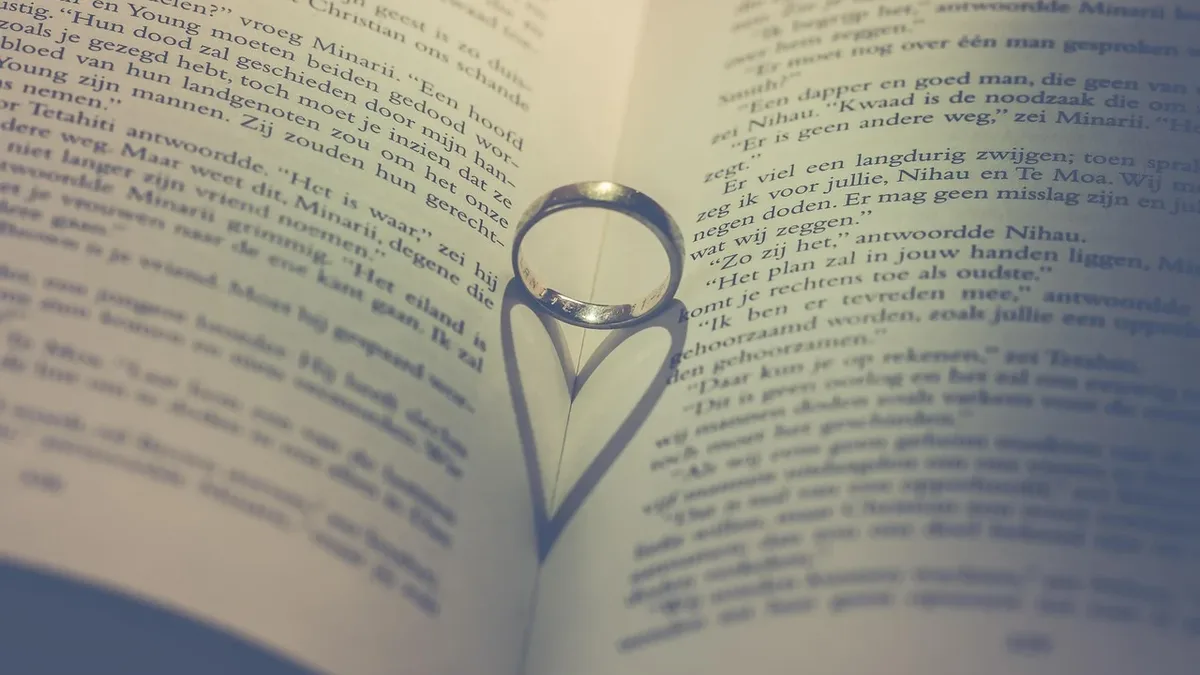
14 Library Wedding Venues in Ireland for Book-Loving Couples
One Fab Day lists 14 Irish venues with library spaces suitable for intimate wedding ceremonies, receptions, and photos, detailing capacities and...

29 Designers Offer Outfits for Civil Wedding Ceremonies
A bridal style guide lists 29 designers and brands creating dresses and separates specifically for civil ceremonies and smaller weddings.

37 Real Wedding Dogs Steal the Spotlight
One Fab Day showcases 37 real wedding dogs from featured ceremonies, highlighting their roles and stylish appearances.
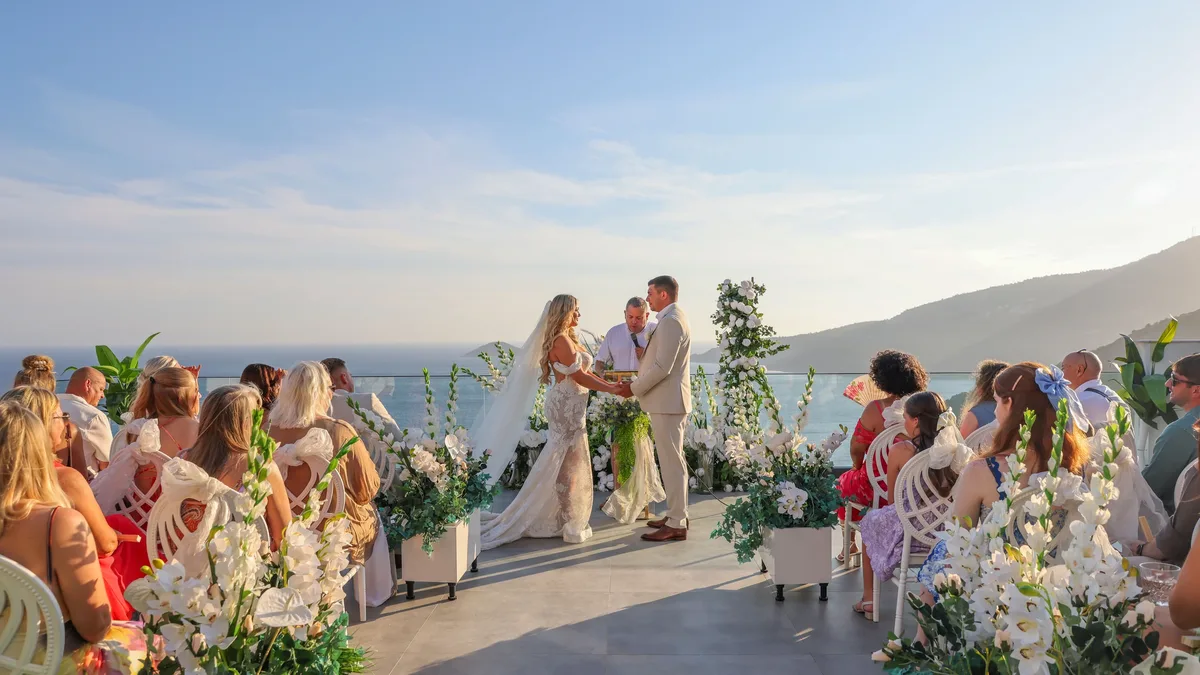
St Brelade’s Bay: UK Destination Wedding Without Passports
Couples can host a Riviera-style celebration at St Brelade’s Bay Hotel in Jersey, avoiding passport travel while enjoying coastal décor, seafood...
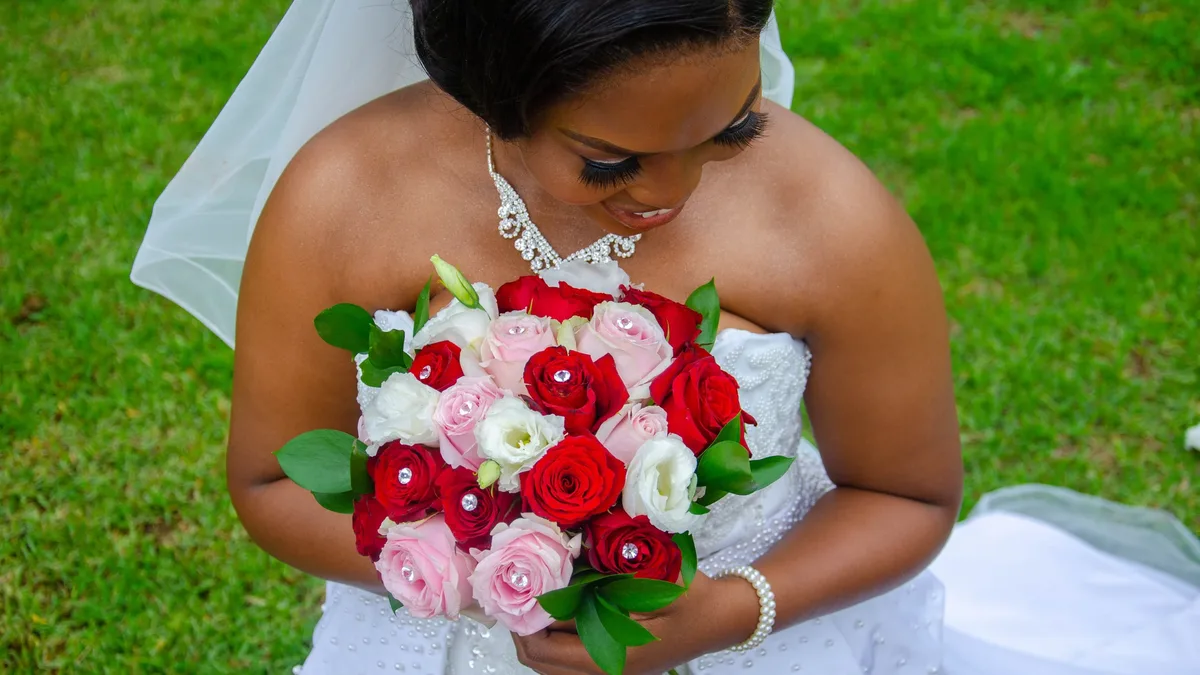
Woodstock House at Druids Glen: A Georgian Gem for Intimate Country House Weddings
Woodstock House at Druids Glen offers couples a beautifully restored Georgian residence for intimate, exclusive weddings in Co. Wicklow. With elegant...
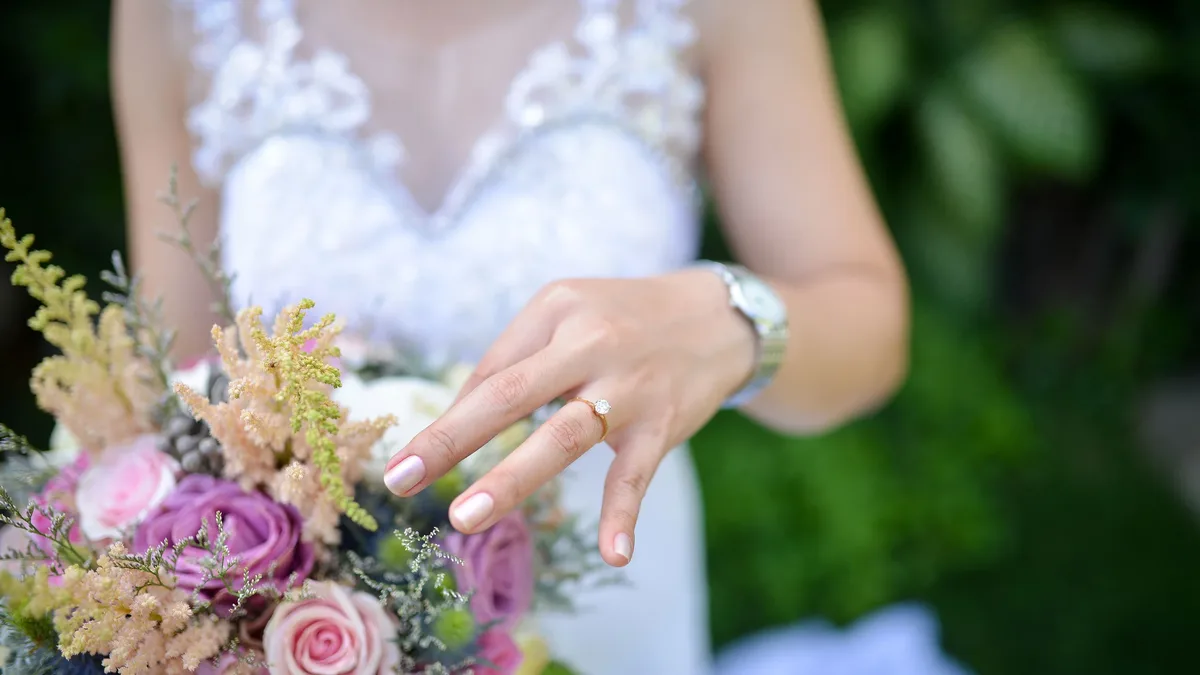
Ceremony Reading: Excerpt from Captain Corelli’s Mandolin
A romantic and realistic view of love and marriage, this excerpt from Louis de Bernières' novel is a popular choice for wedding ceremonies.