Black Tie Explained
| Event type | Formal evening event |
|---|---|
| Dress code | Tuxedo for men, evening gown for women |
| Typical timing | Evening, usually after 7:00 PM |
| Invitation lead time | Typically 3 to 6 weeks in advance |
| RSVP deadline | Usually 2 to 3 weeks before the event |
| Original use | Formal social and diplomatic occasions |
Origin and history
The dress code known as Black Tie originated in the Victorian era, specifically during the latter half of the 19th century. It emerged as a less formal alternative to the then-standard White Tie attire for evening events. The style is firmly rooted in British and American sartorial traditions, evolving from the dinner jacket or tuxedo worn in men's fashion. Its adoption spread gradually through the upper and later middle classes as a standard for formal evening occasions. The term "Black Tie" itself became codified in the early 20th century as the required dress for many private clubs and formal dinners. Its history is one of a relaxation of strict formal rules, establishing a new, enduring standard for evening elegance.
What it is for
Black Tie is prescribed for formal evening events that begin after 6 p.m., serving as a clear indicator of the occasion's significance. It is the standard attire for galas, award ceremonies, formal weddings, opera openings, and prestigious charity dinners. The code exists to create a uniform level of sophistication and respect among attendees, elevating the atmosphere of the event. It removes ambiguity about what to wear, allowing guests to focus on the occasion rather than their wardrobe choice. Adherence to Black Tie signals to guests that the event requires a certain decorum and level of effort. Its function is fundamentally to denote a serious, celebratory, and traditionally formal evening gathering.
Pros and cons
A primary advantage of specifying Black Tie is the guaranteed cohesive and elegant atmosphere it creates for an event, ensuring all guests present a similarly formal appearance. It simplifies guest decision-making by providing a single, well-defined standard to follow. A significant con is the financial and practical burden it can place on guests who do not own the requisite clothing, potentially requiring rental or purchase. Many guests regret the choice when the formality feels mismatched with the event's actual vibe, such as a casual wedding reception in a barn. A common mistake is hosts insisting on Black Tie for events that lack the inherent formality to justify it, leading to guest discomfort and a sense of pretension. Furthermore, strict interpretation can cause anxiety over specific details like cummerbunds versus waistcoats, detracting from the event's enjoyment.
Who it suits
The Black Tie dress code suits formal evening events held in traditional venues such as ballrooms, upscale hotels, historic mansions, or sophisticated urban settings. It is appropriate for guest lists where a majority are familiar with and have access to formal wear, typically older demographics or certain professional and social circles. This code suits hosts who wish to communicate the exclusivity and significance of their event through a universally recognized standard of dress. It is less suited for gatherings with a strong focus on casual comfort, youthful informality, or highly personalized expression. Events with a mix of international guests often benefit from Black Tie, as it is a globally understood benchmark for formality. Ultimately, it suits occasions where the desired ambiance is one of timeless tradition, uniform elegance, and deliberate ceremony.
Latest Black Tie Explained news
Latest reporting
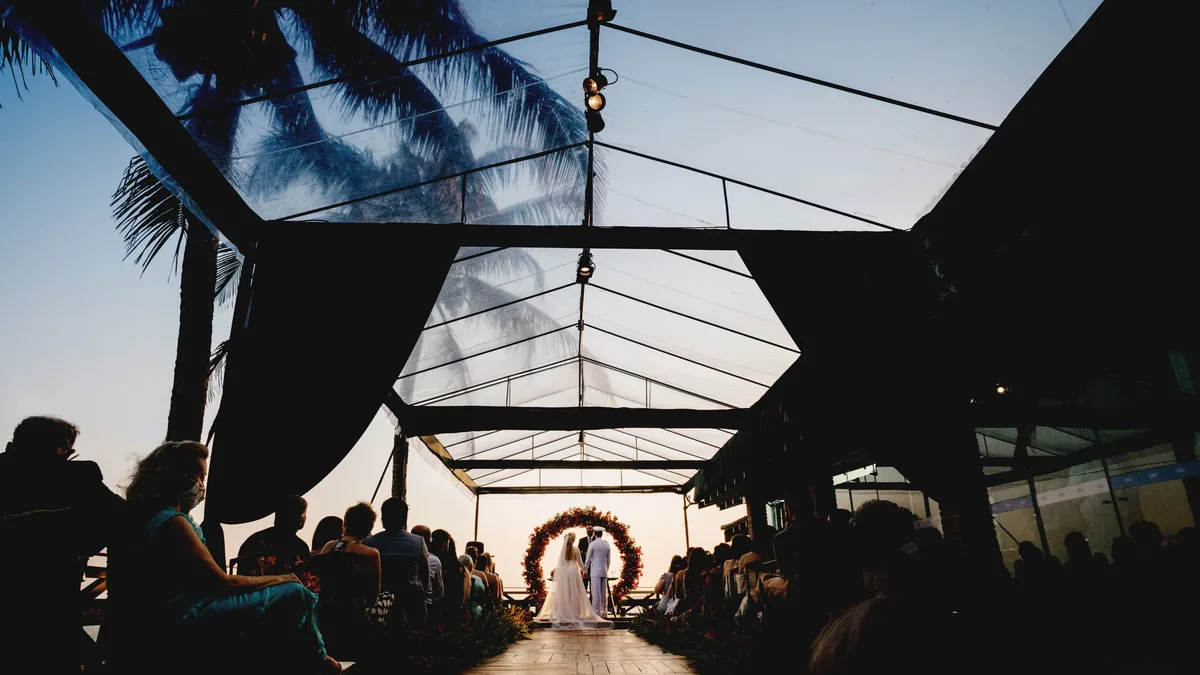
Ciara and Niall's Easter Monday Wedding at Galgorm Resort
A couple with GAA roots held a black-tie wedding at Galgorm Resort's Renaissance Suite on Easter Monday 2025. The bride designed the stationery and...

Exclusive Wedding Venue Hire Explained for Couples
One Fab Day clarifies the meaning of exclusive wedding venue hire, detailing which types of venues offer it and its key benefits for a private...
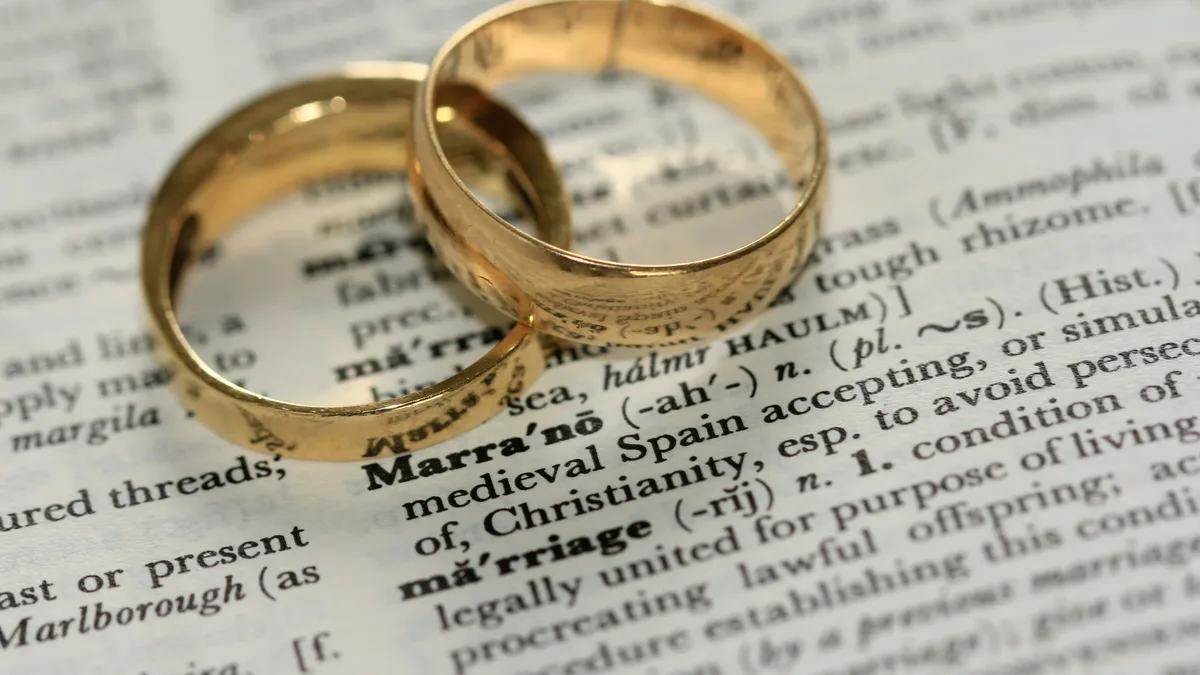
Ireland's Post-Marriage Name Change Process Explained
A guide detailing the administrative steps and costs involved in legally changing your surname after getting married in Ireland, using your marriage
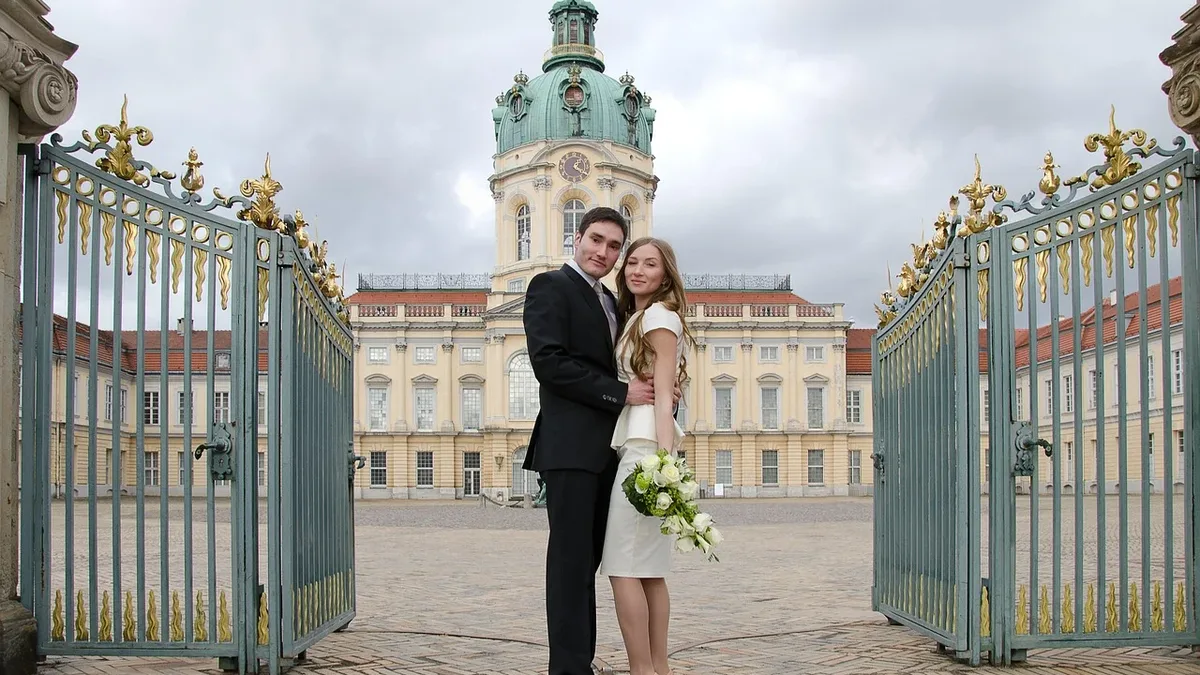
Sarah and Gavin's Elegant Luttrellstown Castle Wedding
Sarah Build and Gavin Harper married 65 guests at Luttrellstown Castle on 14 March 2026, blending black-tie elegance with a high-energy party.
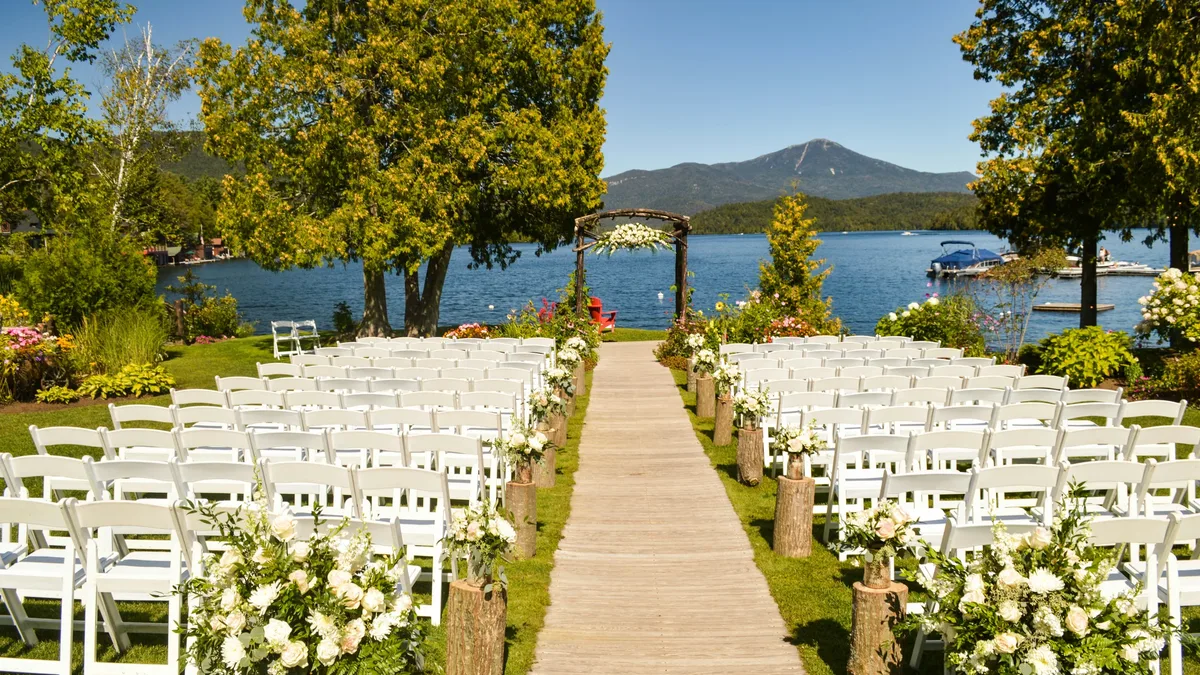
Lake Como Wedding at Villa Erba
Emily and Stefan hosted 56 guests for a multi-day wedding at Villa Erba on Lake Como, featuring a candlelit ceremony, a black-tie dinner, and...
Bold Red Orchids and Black Tie Elegance at Lowndes Grove Wedding
Katie and Andrew’s wedding at Lowndes Grove blended sophisticated black-and-white details with rich pops of color and lush florals, featuring a...