Black Wedding Dress
| Country of origin | Western cultures (modern tradition) |
|---|---|
| First created | Mid-19th century (documented) |
| Original use | Mourning attire and non-traditional bridal expression |
| Color symbolism | Mourning, power, rebellion, or personal style |
| Typical fabrics | Velvet, lace, silk, taffeta |
| Common associated styles | Gothic, alternative, vintage, modern minimalist |
| Cultural significance | Varies from taboo to fashionable depending on region and era |
Origin and history
The black wedding dress is not attributable to a single country or region of origin, as the practice of wearing dark colors for marriage ceremonies has appeared independently in various cultures throughout history. In Western contexts, black was a practical and formal color for wedding garments among the lower and middle classes in the 16th through 18th centuries, chosen for its durability and reusability. The modern interpretation, as a deliberate stylistic choice counter to white bridal tradition, began to gain visibility in the late 20th century. Its emergence in contemporary Western fashion is often linked to the goth and alternative subcultures of the 1980s and 1990s. High-profile instances, such as celebrities selecting black gowns, further normalized the option from the 2000s onward. This history reflects a shift from economic necessity to a statement of personal identity and aesthetic preference.
What it is for
A black wedding dress serves as a primary alternative to the traditional white or ivory bridal gown, fulfilling the same formal function while conveying different symbolic meaning. It is chosen to express individuality, personal style, and often a departure from conventional wedding norms. The dress can symbolize sophistication, power, and timeless elegance, drawing on the color's association with formal evening wear. For some, it reflects personal or cultural aesthetics aligned with alternative, gothic, or minimalist fashion sensibilities. It functions as a central visual statement that sets the tone for the entire wedding event. Ultimately, it is for the bride who prioritizes a genuine reflection of her self-image over adherence to expected tradition.
Black Wedding Dress wedding dress
A black wedding dress is any gown intended for a bride to wear during the marriage ceremony that is primarily black in color. It encompasses the full range of bridal silhouettes, fabrics, and embellishments, from sleek satin sheaths to voluminous tulle ballgowns. The construction and quality are identical to traditional bridal gowns, often featuring elements like lace appliqués, beading, or intricate embroidery in black-on-black or contrasted with other colors. Fabrics commonly used include silk, velvet, chiffon, and lace, selected for their drape and formal appearance. The design may incorporate modern, vintage, or fantasy-inspired elements to achieve the desired aesthetic. It is a dedicated bridal garment, distinct from a simple black evening dress, typically ordered through bridal salons or specialized designers.
Overview
Within the wedding planning timeline, selecting a black wedding dress is a decision typically made during the initial 9-12 month planning phase, concurrent with venue booking. This early timeline is crucial due to the potential for longer lead times in sourcing or ordering a non-traditional gown from certain designers. The choice of a black dress directly influences several subsequent planning decisions, including the color palette for decor, the attire of the wedding party, and even the formality of the event's overall tone. It requires clear communication with vendors, particularly photographers, to ensure they are experienced in capturing details on dark fabric. Brides should anticipate more pointed questions from family members or older guests and prepare a confident response. This decision is foundational, as it establishes a distinct visual and thematic direction for the entire celebration.
What to know
Securing a black wedding dress often requires visiting bridal salons known for carrying alternative designers or seeking out designers who offer custom color options. Sample gowns to try on in black may be less common in mainstream stores, so be prepared to visualize a white sample in black. Fabric choice is critical, as some materials like matte crepe absorb light while others like silk satin reflect it, dramatically altering the gown's presence. Accessories and beauty choices become paramount; metallic jewelry, a bold lip color, or a vibrant bouquet are often used to create contrast and prevent a monochromatic look. Inform your bridal party early, as your dress color may influence your preferences for their attire, potentially allowing for more flexible or darker color choices. Allocate time for additional fittings, as alterations on dark fabrics, especially those with detailed beading or lace, require precise work that is highly visible.
Common questions
A frequent question is whether a black wedding dress is appropriate, to which the answer is that it is entirely acceptable as a modern personal choice, though its reception may vary by family tradition or religious context. Many ask if black is somber or bad luck, which stems from cultural associations with mourning, but in fashion, it is predominantly linked to elegance, formality, and power. Couples often inquire about how to incorporate traditions like "something blue," which can be easily achieved through accessories, jewelry, or hidden garment details. Questions about groom attire are common, with options ranging from classic black tuxedos for harmony to contrasting white or grey for a sharp look. Guests commonly ask what the dress code is, so clear guidance on invitations is helpful to align guest attire with the wedding's formality. Another regular query concerns photography, and experienced photographers will use lighting and backdrops to ensure the dress's details and texture are beautifully captured.
Pros and cons
A significant pro is the powerful expression of personal style, resulting in a deeply authentic and memorable bridal look that stands apart. The color black is universally flattering, slimming, and photographs with a timeless, dramatic elegance that can be stunning in both color and black-and-white imagery. It offers great versatility for post-wedding wear, as the gown can be shortened or restyled for other formal events. A primary con is the potential for family conflict or disappointment from those with strong traditional expectations, which can add unexpected stress. The choice may limit the selection of readily available off-the-rack samples to try on, potentially necessitating a custom order with higher cost and complexity. A common mistake is failing to consider the wedding environment; a heavy black velvet gown at a summer beach ceremony may be impractical and uncomfortable, highlighting the need for fabric and style suited to the venue.
Who it suits
This style suits the bride who values individuality and feels most confident in non-conformist choices, rather than one seeking to please a broad audience. It is ideal for those with a personal aesthetic already inclined toward darker palettes, minimalist fashion, or alternative subcultures. The black wedding dress suits evening, winter, or formal autumn weddings exceptionally well, where the color aligns naturally with the season and lighting. It is a strong match for modern, urban, or industrial venues like lofts, museums, or libraries, which provide a sophisticated backdrop. Brides planning a wedding with a specific thematic tone, such as gothic, glamorous, or art deco, will find it a coherent centerpiece. It is less suited for brides who are highly sensitive to external opinion or who are having a highly traditional religious ceremony where specific attire may be expected or required.
Latest Black Wedding Dress news
Latest reporting
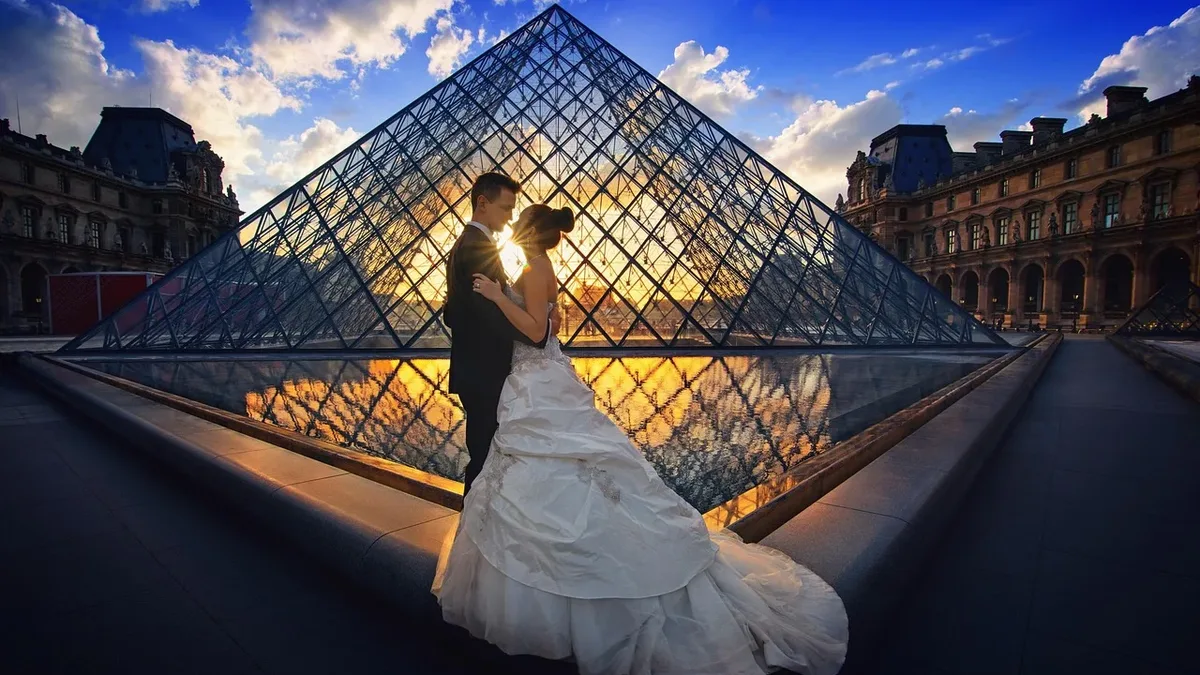
Château de Nainville-les-Roches Wedding
A couple blended American and French traditions for their three-day wedding weekend at Château de Nainville-les-Roches, outside Paris.
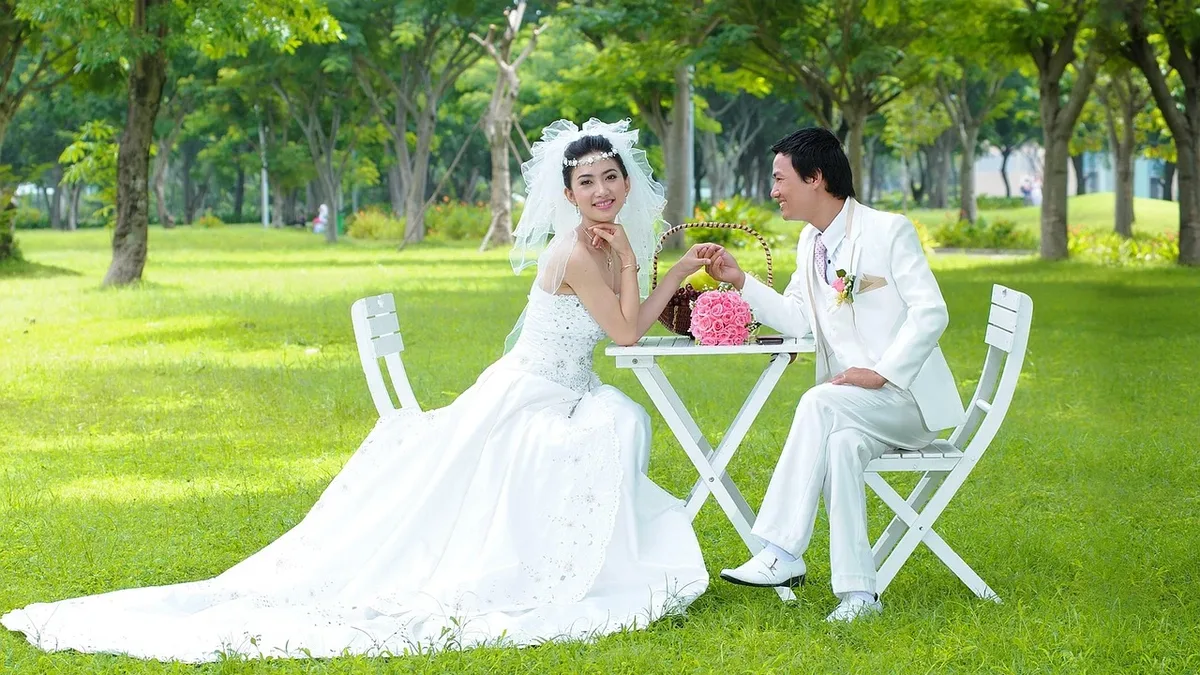
Katie & Calum's Handmade Hilton Park Wedding
Childhood sweethearts Katie and Calum married at Hilton Park with 155 guests, focusing on food, wine, and music.
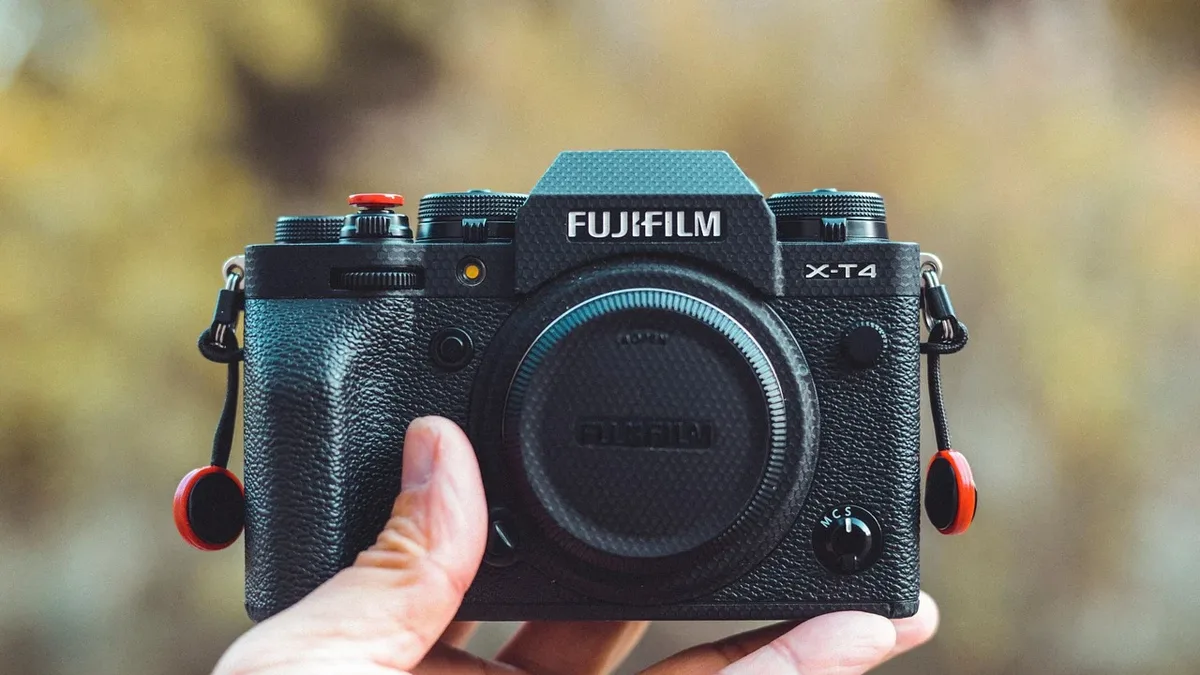
John Branch IV's Fujifilm Wedding Lens Kit
A wedding photographer details the Fujifilm prime lenses he uses after a decade of shooting, explaining his choices for wide, mid-range, and telephoto
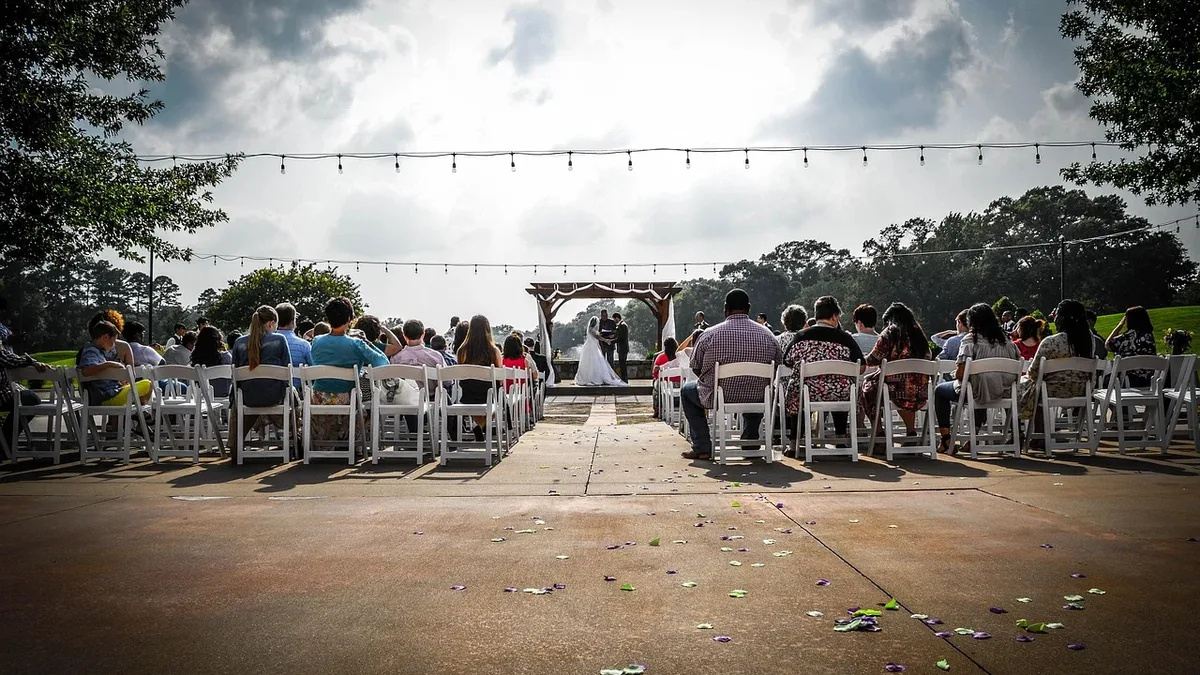
Katya & Eugen's Killruddery House Wedding
A Moldovan couple celebrated their decade-long journey with a timeless, elegant wedding for 70 guests at Killruddery House in Wicklow, prioritizing

Pinterest wedding boards: a planning guide
A guide to using Pinterest effectively for wedding planning, covering how to set up boards, use them for inspiration, and avoid common pitfalls.
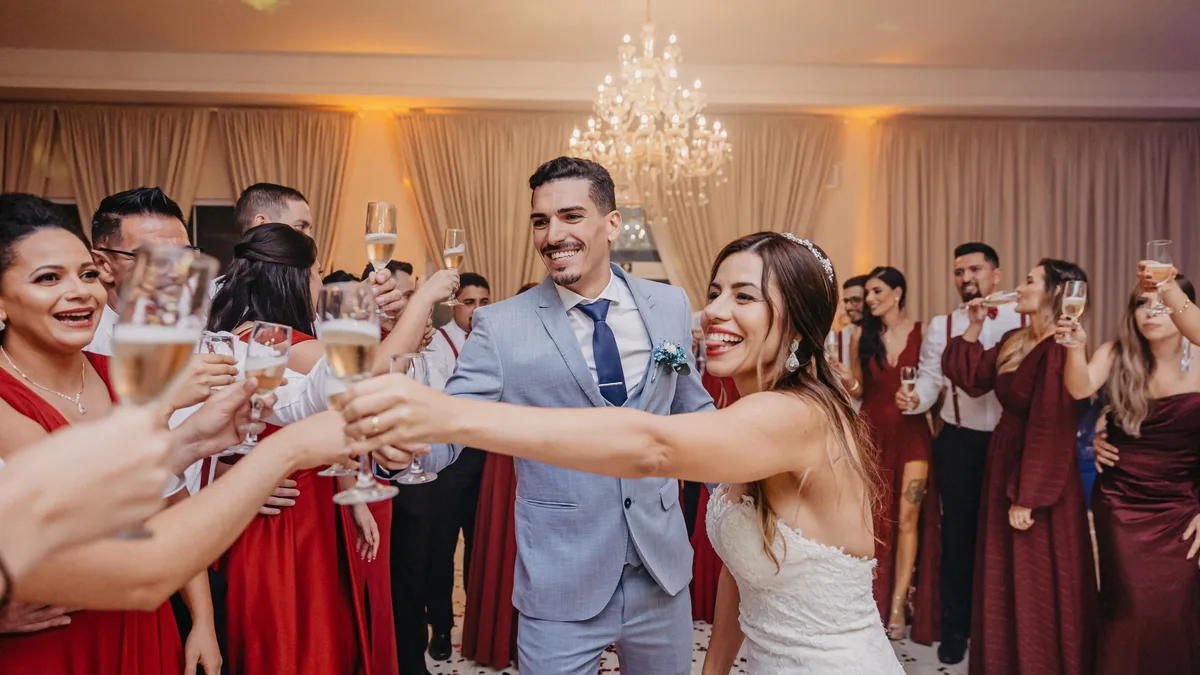
Bilingual Wedding Ceremony in Virginia
Camille and Jeff held a bilingual English and Spanish ceremony in late September 2025 at Mankin Mansion, Virginia.