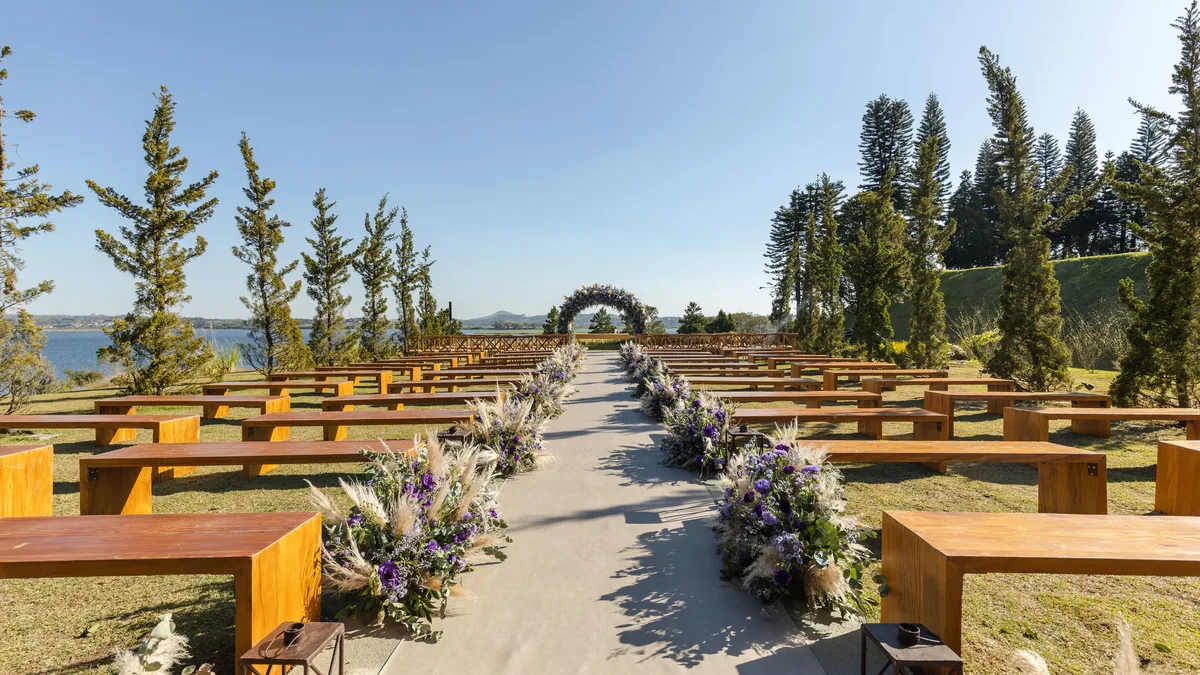
Outdoor Ceremony
| Venue booking deadline | Varies by location, often 12-24 months in advance |
|---|---|
| Marriage license application window | Typically 30-90 days before ceremony |
| Officiant booking deadline | Recommended 6-12 months in advance |
| Permit application deadline | Varies by jurisdiction, often months ahead |
| Vendor booking timeline | Key vendors (caterer, photographer) often 9-12 months prior |
| Final guest count deadline | Usually required by caterer 1-2 weeks before event |
| Marriage license validity period | Commonly 30-90 days from issuance |
Overview
An outdoor ceremony site is a location, not typically a permanent structure, used for hosting the main ritual of a wedding or commitment service. The primary legal consideration for such a site is that it is distinct from the location licensed for the official marriage or civil union registration, which is a separate legal act. This guide outlines the critical planning timeline and legal decisions required to ensure the ceremony proceeds without complication. Key decisions involve securing official permissions, confirming the legality of the officiant's role, and preparing for environmental contingencies. Failure to address these points in sequence can invalidate the intended ceremonial event or cause significant last-minute disruptions. The timeline generally requires initiating legal and logistical arrangements at least six to twelve months before the intended date, with specific milestones tied to local government and vendor deadlines.
History
The concept of holding wedding ceremonies outdoors, separate from a religious institution, gained significant cultural traction in the latter half of the 20th century, particularly in North America and Western Europe. This shift coincided with broader societal movements towards personalization of life events and a desire for less formal settings. Initially, these ceremonies were often simple gatherings in family gardens or public parks, with the legal marriage conducted separately at a courthouse. The practice evolved as couples sought more scenic and meaningful backdrops, leading to the commercial development of dedicated outdoor venues. The legal framework, however, has largely remained anchored to the principle that the marriage license is issued and solemnized according to the laws of a specific jurisdiction, which may not encompass all outdoor locations. This historical divergence between ceremonial preference and legal procedure established the ongoing necessity for careful planning.
How it works today
Today, using an outdoor ceremony site requires navigating a dual-track process: one for the symbolic ceremony and one for the legal marriage. The legal marriage must be solemnized by an authorized officiant within a jurisdiction that grants them authority, which may not extend to an arbitrary outdoor site. Consequently, many couples first complete a minimal legal signing at an approved location, such as a registrar's office, before or after the outdoor ceremonial event. Alternatively, they must ensure their outdoor site is temporarily approved for marriages by the local authority, a process that involves application fees, inspections, and strict adherence to codes. The officiant performing the symbolic ceremony must be clearly distinguished from the legal officiant if they are not one and the same. Venue contracts now routinely include "Acts of God" clauses addressing weather-related cancellations, and couples must secure event insurance to cover liabilities inherent to a non-standard location.
Pros and cons
A primary advantage of an outdoor ceremony site is the unparalleled aesthetic and personal significance it can provide, creating a memorable experience distinct from institutional settings. The flexibility in design and format is also a significant pro, allowing for highly customized rituals and guest experiences. However, the cons are substantial and often underestimated; the most common critical mistake is assuming any officiant can legally marry the couple at any picturesque location, leading to a non-legal ceremony. Couples frequently regret this choice when they discover, too late, that their marriage is not legally binding. The single greatest point of failure is weather, as even with tents, severe conditions can ruin the event, and cancellation policies may result in significant financial loss. Furthermore, outdoor sites often lack basic infrastructure, requiring expensive rentals for restrooms, power, and accessibility features, which can double the expected cost. Noise ordinances, parking restrictions on public land, and insect pests are other frequent, disruptive problems that indoor venues inherently manage.
Who it suits
This option best suits couples who prioritize the experiential and visual aspects of their ceremony above logistical convenience and who are willing to undertake extensive planning. It is suitable for those who have a clear understanding of the legal separation between the ceremonial event and the civil registration, often having already handled the legalities privately. Couples with a flexible budget for rentals, weather backups, and potential last-minute venue changes are better positioned to manage the inherent risks. It also suits individuals with access to private land where permissions are straightforward, or those who choose a commercial outdoor venue experienced in navigating local permit processes. This path is generally ill-suited for couples seeking a simple, low-stress planning experience or those with rigid budgetary constraints, as unforeseen costs are highly likely. Ultimately, it is a choice for planners who accept that the beauty of the day comes with a significant burden of coordination and contingency preparation.
Latest Outdoor Ceremony news
Latest reporting
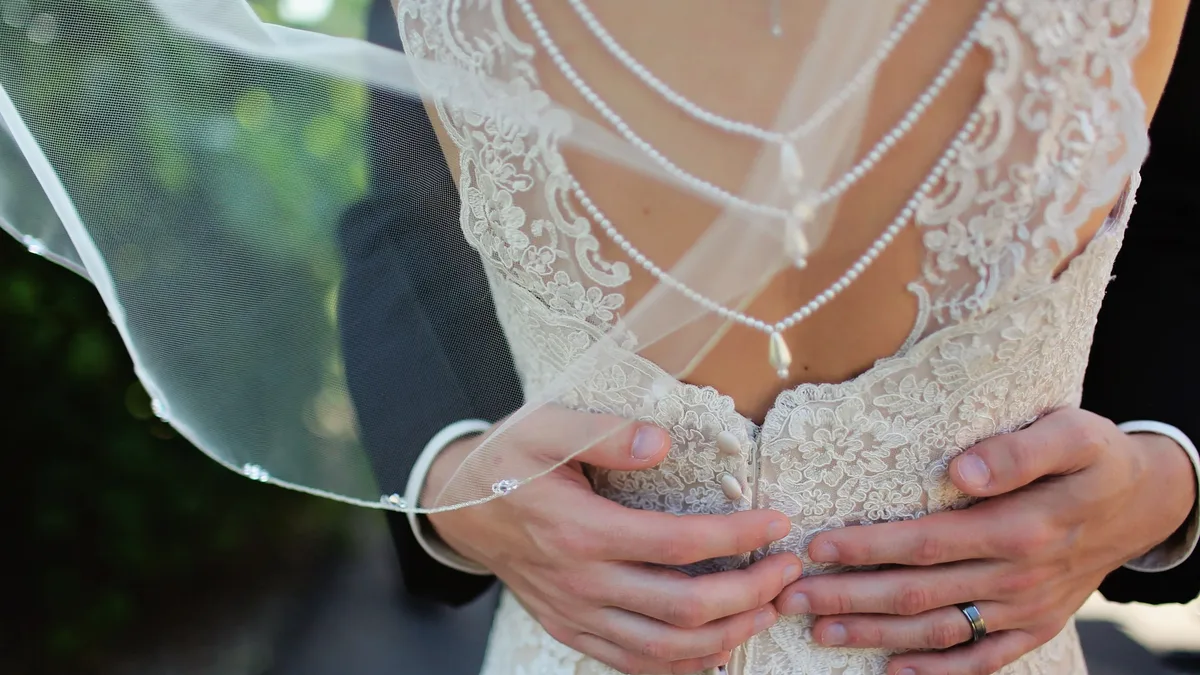
Studio Phini's Wedding Dress Redesign and Dyeing Services
A London atelier offers brides options for repurposing their gowns after the wedding, while a couple shares their intimate Paris civil ceremony...
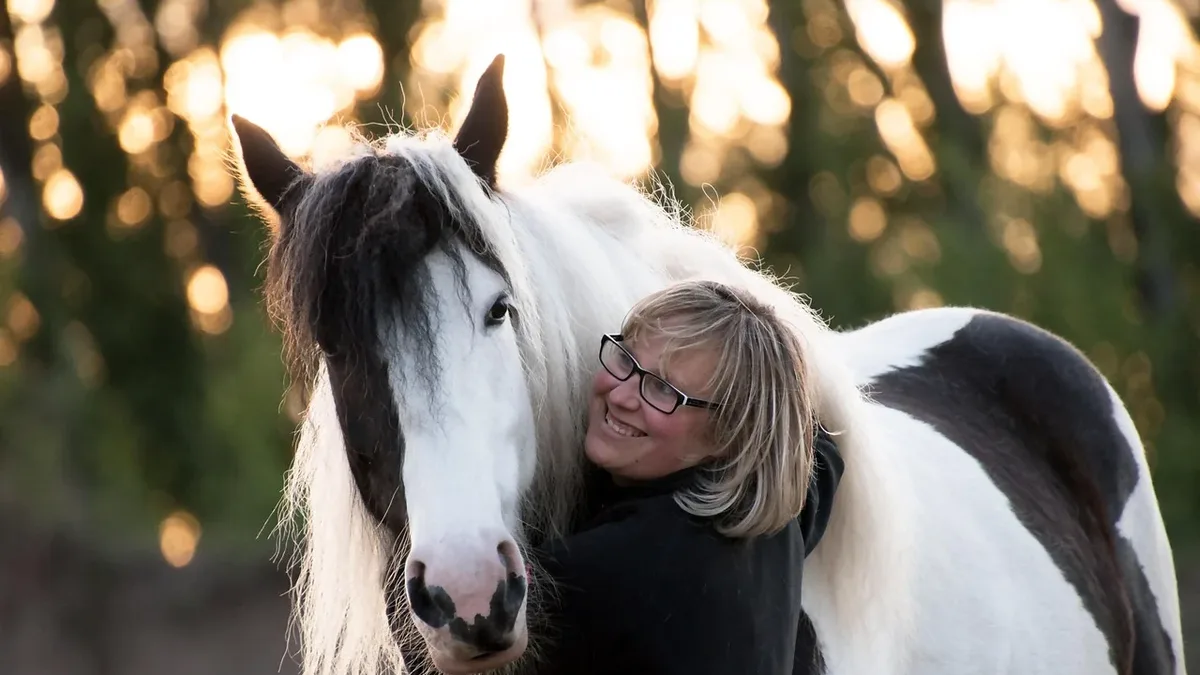
Maggie Heginbothom's hospital wedding with horses
A terminally ill woman married her partner of 15 years in a ceremony on a hospital ward, organized by NHS staff in two days, featuring her two horses.
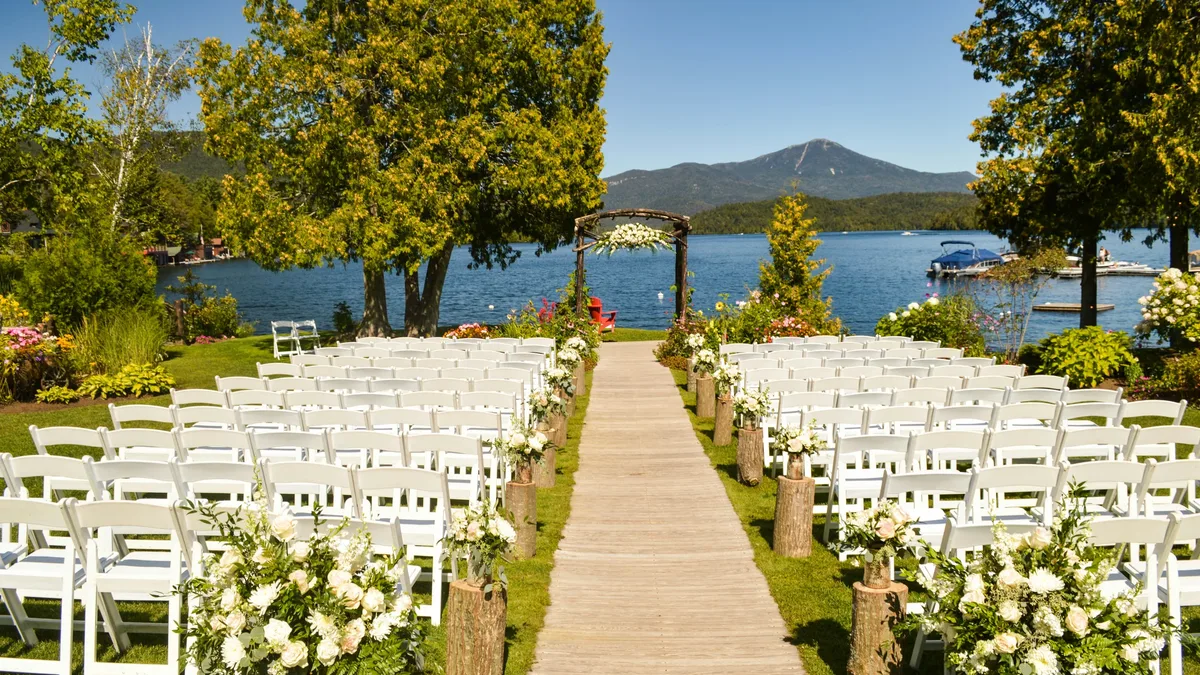
Ruto daughter's cross-border lakeside wedding in Tanzania
President William Ruto's daughter Charlene married Tanzanian entrepreneur Isaya Yunge in a lavish ceremony at Malaika Beach Hotel in Mwanza...
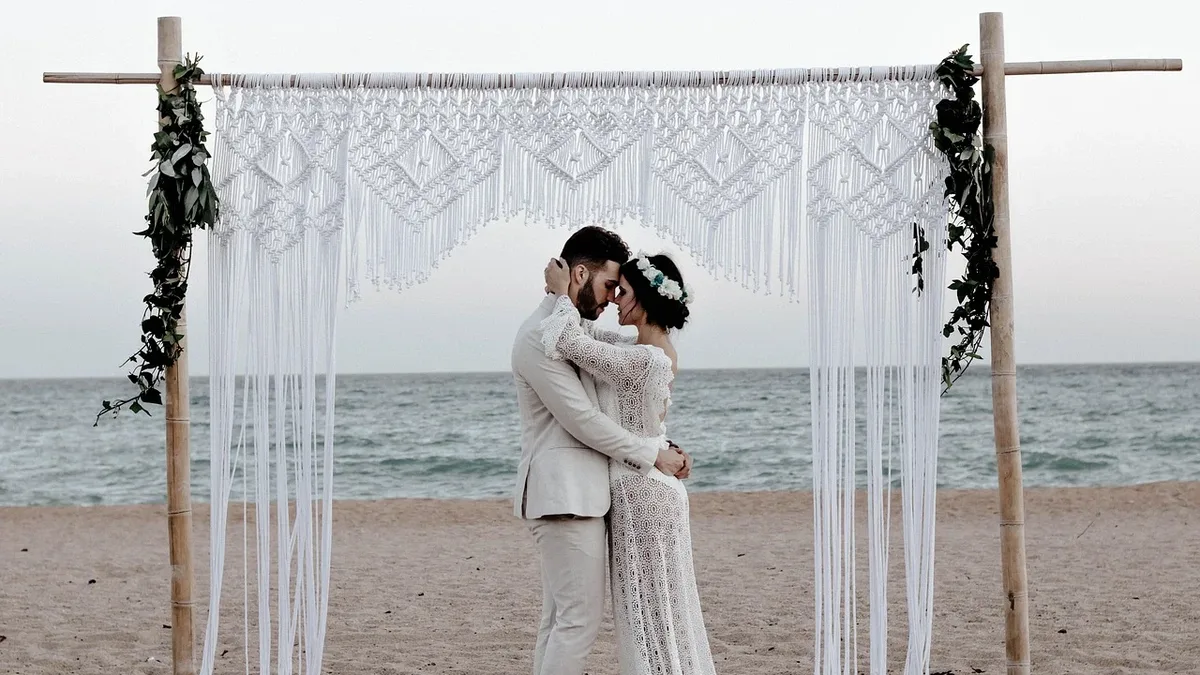
Gabby Thomas and Spencer McManes Wed in Rain-Soaked Cabo Ceremony
Olympic sprinter Gabby Thomas married entrepreneur Spencer McManes on October 30 at Garza Blanca Resort & Spa in Cabo San Lucas, with a beach...
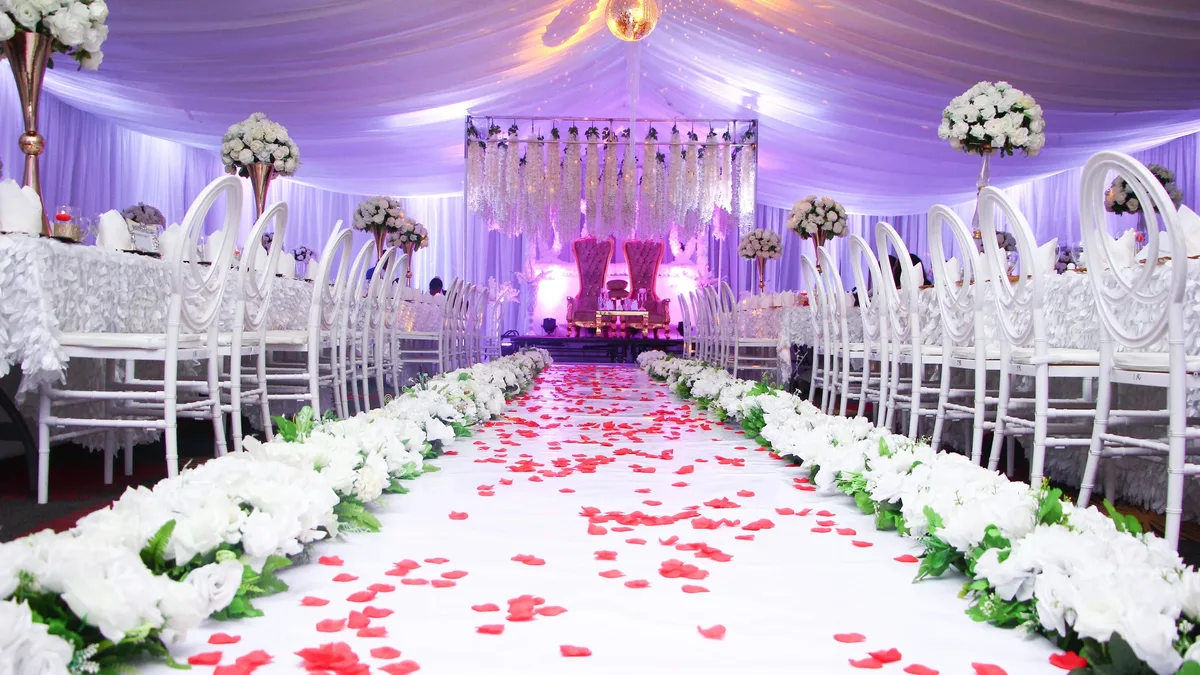
One Fab Day Wedding Awards 2026 Winners Announced
The inaugural One Fab Day Wedding Awards 2026 honored Ireland's top wedding venues and suppliers in a ceremony at Dublin's College Green Hotel, with...
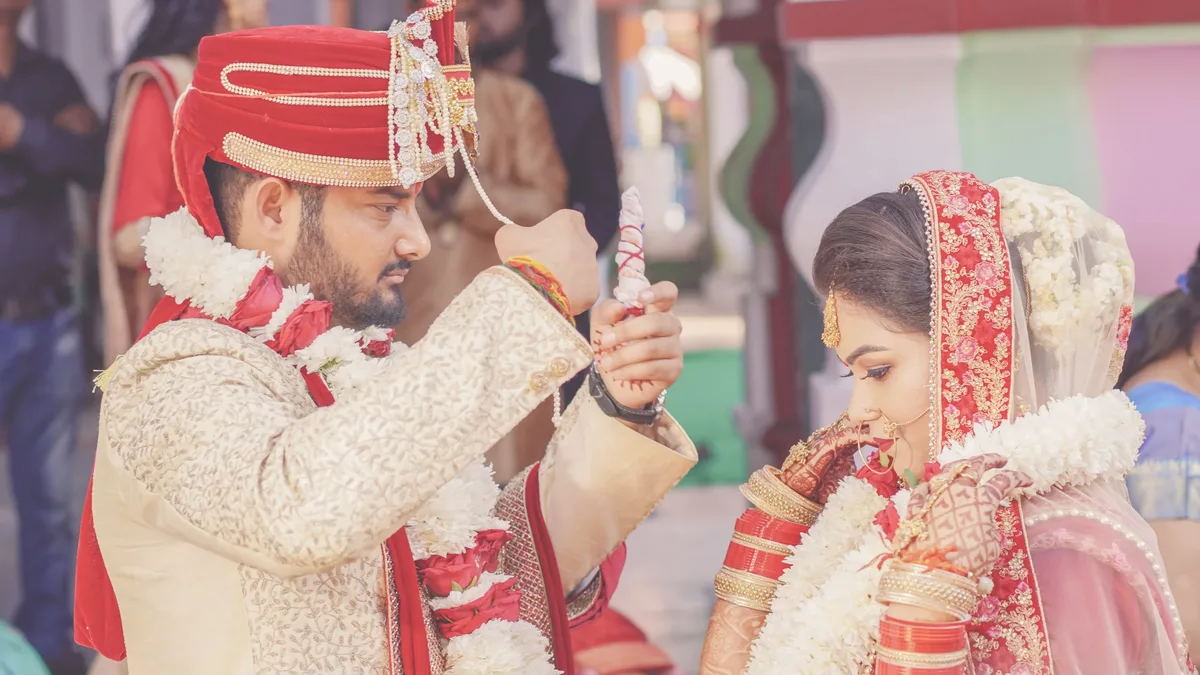
India Rose James Hosts Halloween Wedding at Oakley Court
India Rose James and Daniel Vildosola celebrated their union with a multi-day Halloween-themed wedding weekend at Oakley Court, featuring three...