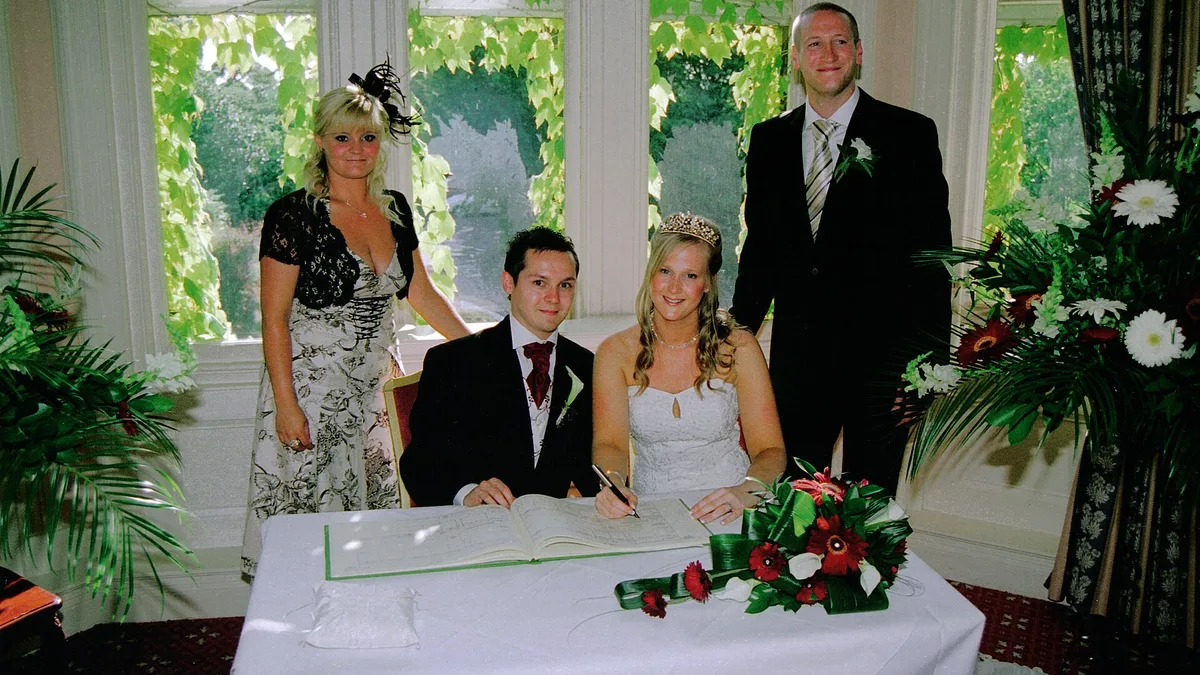
Civil Ceremonies
| Legal jurisdiction | Varies by country and state/province |
|---|---|
| Legal status | Legally recognized marriage or civil union |
| Minimum notice period | Varies by jurisdiction (e.g., 1 day to several months) |
| Venue restrictions | Varies by jurisdiction (e.g., licensed venues only) |
| Officiant | Registrar, judge, or other licensed civil official |
| Witness requirement | Typically 2 witnesses (number varies) |
| Documentation required | Varies (e.g., birth certificate, proof of dissolution, photo ID) |
Origin and history
Civil ceremonies for marriage originated in France during the late 18th century, following the French Revolution. This legal framework was part of a broader secularization of society and was codified in the Napoleonic Code in the early 1800s. The concept spread across Europe and other parts of the world throughout the 19th and 20th centuries, often alongside the development of secular state registries. In many jurisdictions, the civil ceremony became the sole legally recognized component of marriage, with any religious service being a separate, optional addition. The historical driver was the establishment of a uniform, state-administered legal record of vital statistics independent of religious affiliation.
What it is for
A civil ceremony is a non-religious, legal procedure performed by a state-authorized official to solemnize a marriage or a civil partnership. Its primary function is to fulfill the statutory requirements for creating a legally binding union, as defined by the marriage laws of a particular country, state, or locality. The ceremony provides the formal context for the exchange of consents and vows before witnesses and an officiant, resulting in the signing of the marriage license or schedule. It establishes the legal rights and responsibilities of the spouses, including those related to property, inheritance, taxation, and parental status. The format is designed to be inclusive, allowing couples of any or no faith to marry under a common legal standard. It serves as the mandatory legal foundation upon which couples may then choose to layer a separate religious or symbolic celebration.
Pros and cons
A primary advantage of a civil ceremony is its straightforward legal efficiency, as it directly fulfills the statutory requirement without additional doctrinal conditions. It is universally accessible to couples regardless of their personal beliefs, and it often allows for greater flexibility in choosing a venue, date, and wording compared to many religious institutions. A significant drawback is that some couples and families may find the ceremony lacking in spiritual or traditional depth, perceiving it as overly bureaucratic or impersonal. Common regret stems from couples who choose a stark registry office setting for simplicity but later feel the event lacked the sense of occasion they desired, a mistake often avoided by selecting a more meaningful licensed venue. The ceremony's brevity and simplicity can also lead to it feeling anticlimactic if not carefully planned with personal touches. Furthermore, in some regions, the availability of sought-after licensed venues or popular officiants can be limited, requiring very early booking.
Who it suits
This option particularly suits couples who are not religious or who come from different religious backgrounds and seek a neutral legal framework. It is ideal for those who prioritize legal pragmatism and wish to separate the legal act from any subsequent personal or religious celebration. Couples desiring a highly personalized ceremony often choose a civil format, as it typically permits customization of vows, readings, and music within legal boundaries. It suits individuals planning a small, intimate gathering or an elopement, due to its minimal mandatory components. Those with tight budgets or timelines may also find civil ceremonies more adaptable, as they avoid the longer lead times and doctrinal preparation courses sometimes required by religious bodies. Finally, it is the necessary path for couples in jurisdictions where a civil ceremony is the only legally recognized form of marriage, regardless of personal preference.
Latest Civil Ceremonies news
Latest reporting
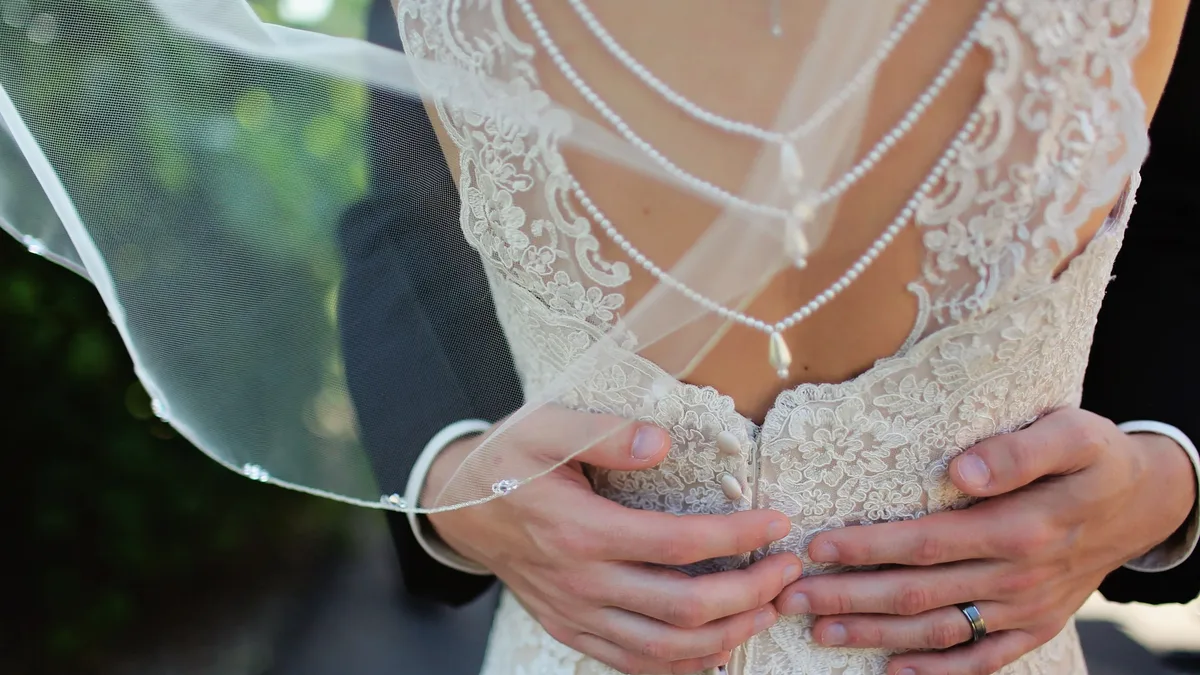
Studio Phini's Wedding Dress Redesign and Dyeing Services
A London atelier offers brides options for repurposing their gowns after the wedding, while a couple shares their intimate Paris civil ceremony...

14 Library Wedding Venues in Ireland for Book-Loving Couples
One Fab Day lists 14 Irish venues with library spaces suitable for intimate wedding ceremonies, receptions, and photos.

29 Designers Offer Outfits for Civil Wedding Ceremonies
A bridal style guide lists 29 designers and brands creating dresses and separates specifically for civil ceremonies and smaller weddings.

37 Real Wedding Dogs Steal the Spotlight
One Fab Day showcases 37 real wedding dogs from featured ceremonies, highlighting their roles and stylish appearances.

St Brelade’s Bay: UK Destination Wedding Without Passports
Couples can host a Riviera-style celebration at St Brelade’s Bay Hotel in Jersey, avoiding passport travel while enjoying coastal décor, seafood...

Ceremony Reading: Excerpt from Captain Corelli’s Mandolin
A romantic and realistic view of love and marriage, this excerpt from Louis de Bernières' novel is a popular choice for wedding ceremonies.