What To Wear To A Wedding
| Subject | Wedding Guest Attire |
|---|---|
| Time to decide | 3 to 6 weeks before the wedding |
| Key deciding factors | Formality of event, venue, time of day, cultural/religious customs |
| Common formality levels | Casual, cocktail, semi-formal, formal, black-tie |
| Typical fabrics | Linen, cotton, silk, chiffon, lace, wool blends |
| Color guidelines | Avoid white, ivory, or cream; often avoid all-black for daytime |
| Original use | Social attire for ceremonial observance and celebration |
Origin and history
The practice of prescribing specific attire for wedding guests originates from Western Europe, with formalized etiquette emerging during the Victorian era in the 19th century. Prior to this, guests typically wore their best clothing, but the rise of a codified social etiquette among the upper and middle classes led to more rigid expectations. The development of the modern "black tie" standard for evening weddings, for instance, can be traced to the late 19th and early 20th centuries in Britain and America. The concept of a "wedding guest dress code" as a set of written instructions provided by hosts became widespread in the latter half of the 20th century. This was driven by increasing formality in post-war society and later by the desire to clarify expectations amidst a broadening range of wedding styles. The digital age has further solidified these guidelines, with countless online resources and the direct inclusion of dress codes on wedding invitations and websites becoming standard practice.
What it is for
A wedding guest dress code serves as a clear communication tool from the hosts to the attendees, establishing the expected level of formality for the event. Its primary function is to ensure a cohesive and respectful atmosphere where guests feel appropriately attired and do not detract from the solemnity or celebratory nature of the occasion. It provides essential guidance on the types of garments, fabrics, and colors that are suitable, thereby reducing guest anxiety about what to select. The dress code also helps guests align their attire with the wedding's venue, time of day, and overall theme, whether it be a beach ceremony or a formal ballroom reception. By setting these parameters, it prevents situations where a guest is significantly over- or under-dressed, which can cause personal discomfort and social friction. Ultimately, it assists the wedding party in achieving their desired aesthetic and tone for their celebration through the collective appearance of their guests.
Pros and cons
A clear dress code provides significant benefits, primarily eliminating guesswork and reducing stress for guests who might otherwise invest considerable time and money in an inappropriate outfit. It fosters visual harmony in photographs and ensures that all attendees contribute to the intended ambiance of the event. The major con is that many guests find traditional dress code terminology, such as "black tie optional" or "semiformal," to be vague and open to subjective interpretation, leading to confusion. A common mistake is for hosts to select an overly restrictive or elaborate dress code that places a financial burden on guests or makes them feel uncomfortably conspicuous. Some guests regret adhering strictly to a code like "black tie" for a daytime outdoor wedding where it proves impractical and uncomfortable. Furthermore, dress codes can sometimes backfire if they are perceived as controlling or pretentious, causing resentment rather than the intended unity.
Who it suits
Explicit dress code guidance suits formal or themed weddings where the hosts have a strong vision for the event's aesthetic, such as black-tie galas, vintage-inspired celebrations, or destination beach weddings. It is particularly helpful for weddings held in venues with strict attire policies, like historic mansions or religious institutions, where modesty or formality is non-negotiable. This practice also suits guest groups that are culturally or geographically diverse, as it provides a common reference point that transcends local customs or fashion norms. Couples who are detail-oriented and wish to minimize day-of coordination issues find that providing clear attire instructions is an effective planning tool. Conversely, very casual, intimate, or bohemian-style weddings may not require a specified dress code, as the expectation is for guests to wear comfortable, celebratory attire without strict parameters. Ultimately, a defined dress code suits any couple who prioritizes clear communication and wishes to proactively prevent a common source of guest uncertainty.
Latest What To Wear To A Wedding news
Latest reporting

Haberdashery Glasgow event licence refusal
Glasgow City Council has rejected an appeal for retrospective planning permission from The Haberdashery wedding and events venue on Sauchiehall Street
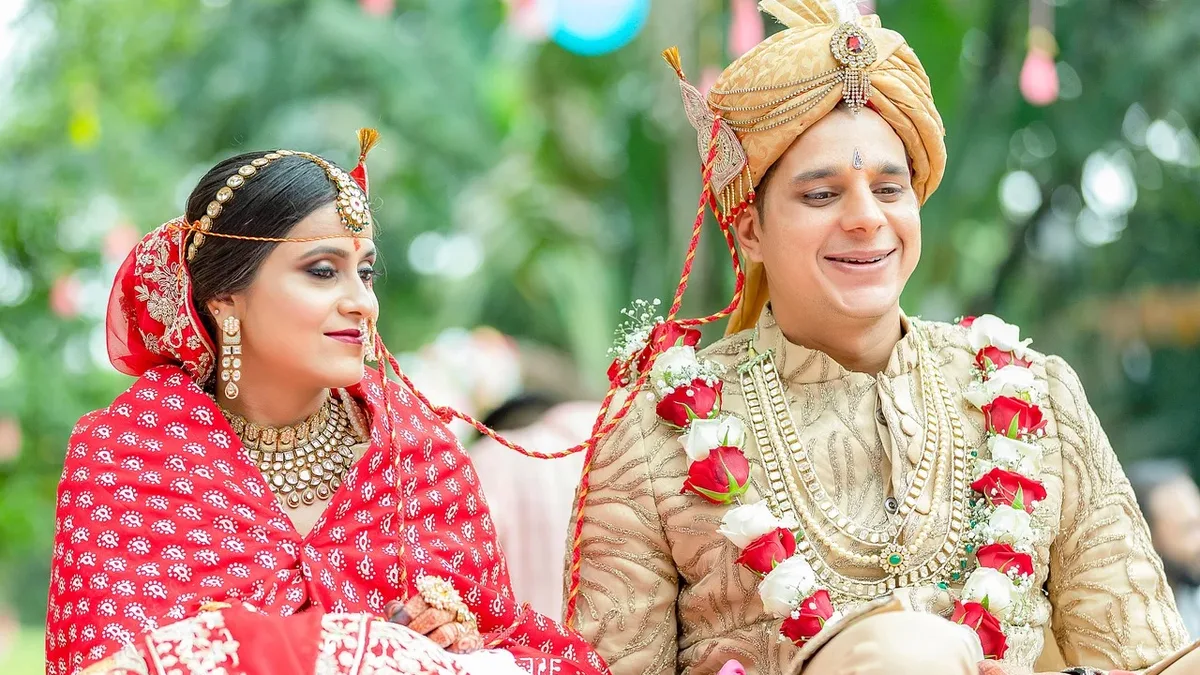
Princess Sara's Zahran Palace Wedding Continues Royal
Princess Sara bint Faisal married Ali Murabit Al Sawwaf at Zahran Palace on September 30, with Queen Rania and King Abdullah in attendance.

The Barn Luton Licence Review Over Noise Complaints
Offley Parish Council has lodged formal complaints about noise, fireworks, and parking issues linked to The Barn wedding venue, prompting a licensing
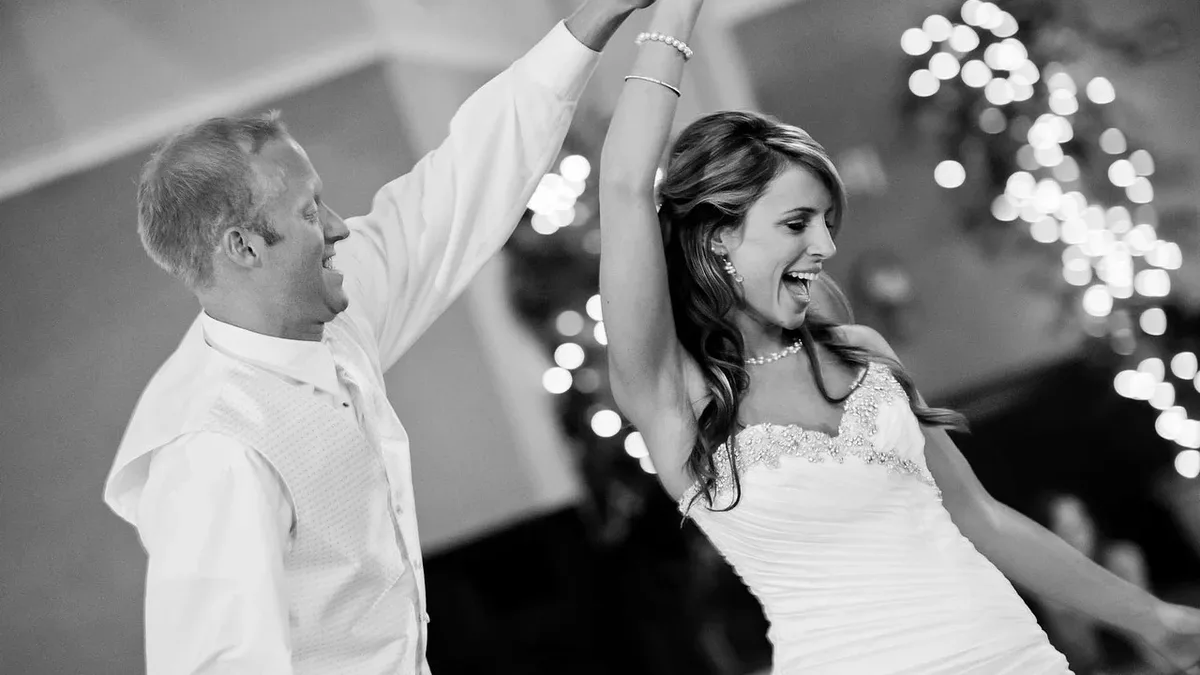
Cincinnati couple gets 30% of photos after $4,000 wedding
A Cincinnati couple paid nearly $4,000 upfront for wedding photography but received only about 30% of their images, with more photos of the DJ than...

Dua Lipa Dances Traditional Albanian Valle at Cousin's
Dua Lipa celebrated her cousin's wedding in Kosovo by performing a traditional Albanian valle dance with her father, balancing glasses on their heads.
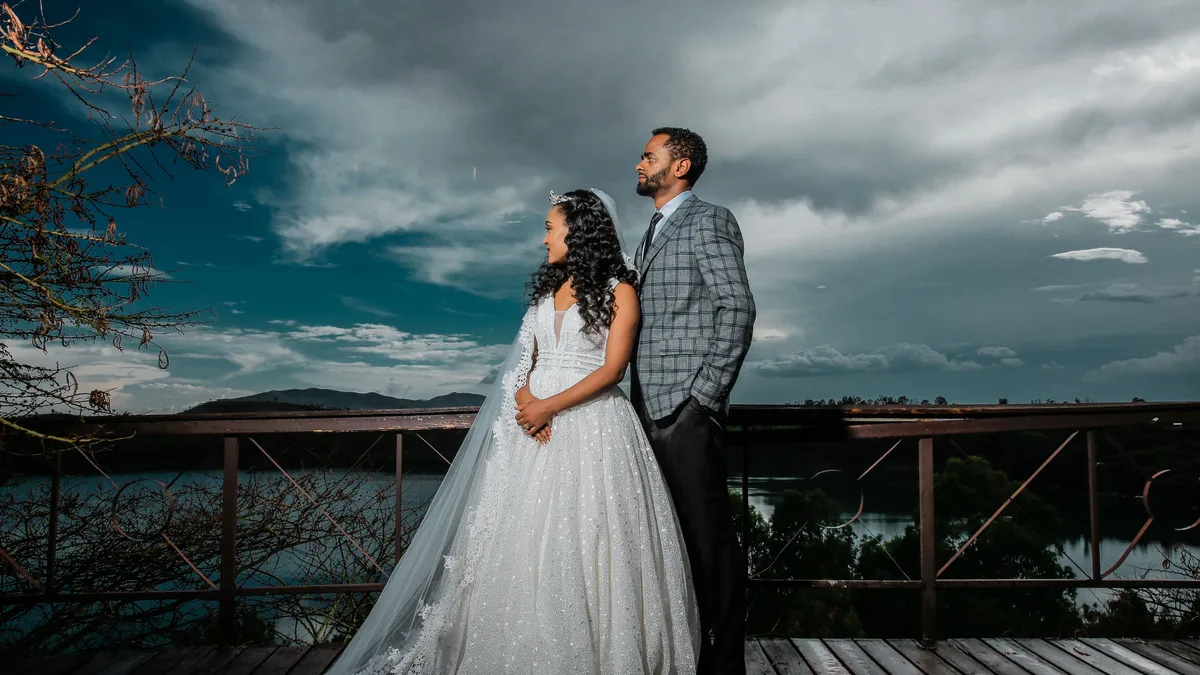
Destry Spielberg's Hamptons Wedding Celebrates Personal
Destry Allyn Spielberg, 29, married real estate agent Jake Herskowitz, 26, in a Hamptons wedding on Saturday, September 26.