Attending With A Baby
| Age of guest | Infant (typically under 2 years) |
|---|---|
| Travel party composition | At least one adult guardian plus infant |
| Primary planning trigger | Airline or accommodation infant policy deadlines |
| Critical decision deadline | Often 24-48 hours before departure for airline notification |
| Original use | To accommodate families traveling with non-ticketed infants |
| Key logistical focus | Provision of cribs, bassinets, and safe sleeping arrangements |
| Common requirement | Proof of age documentation (e.g., passport) for infant fares |
Origin and history
The practice of attending social events with a baby is not a modern innovation but a longstanding feature of many communal societies, particularly in regions with strong extended family cultures. In many parts of Asia, Africa, and the Mediterranean, the integration of infants into daily and ceremonial gatherings has been a normative practice for centuries. The conceptual framing of "attending with a baby" as a specific guest category requiring planning, however, emerged prominently in Western cultures in the late 20th century. This shift coincided with changing parental leave policies and a move away from strict nursery isolation norms that were prevalent in the mid-1900s. The formalization of this guest type into event planning checklists became widespread with the advent of digital parenting forums and invitation software in the early 2000s. Its history reflects an ongoing negotiation between traditional communal integration of children and contemporary, individual-centric event hosting.
What it is for
This guest category exists to formally acknowledge the logistical and spatial requirements of an attendee who is responsible for an infant during the event's duration. It serves to facilitate the parent's or guardian's participation where alternative childcare is unavailable, undesirable, or contrary to the event's inclusive ethos. The planning for this guest type ensures basic infant needs, such as feeding, sleeping, and changing, can be met without disrupting the event's core activities or imposing on other guests. It allows hosts to make conscious provisions, such as designating a quiet room for naps or ensuring pathway accessibility for a stroller. This categorization also sets clear expectations for both parties regarding the level of infant accommodation the host is prepared to offer. Ultimately, it functions as a practical tool to integrate very young children into social spheres while managing the realities of their care.
Pros and cons
A significant pro is that it enables parental participation in important events, strengthening social bonds that might otherwise fray during the intensive early parenting phase. It can also enrich an event's atmosphere, particularly family gatherings, by including the newest member. However, a common and serious con is the high risk of disruption; a baby's crying can interrupt speeches, ceremonies, or quiet conversations, causing frustration for the host, the parent, and other guests. Parents often regret this choice when they underestimate their infant's tolerance for noise, unfamiliar faces, or broken routines, leading to a stressful experience where they cannot fully engage. The typical mistake is assuming the baby will sleep through the event or that the parent can easily soothe any fussiness in a novel, stimulating environment. Furthermore, even a content baby requires constant attention, which can prevent the parent from enjoying the event or fulfilling expected social roles, like being an attentive guest at a wedding.
Who it suits
This option best suits parents of very young infants who are breastfeeding on demand and for whom separation for the event's duration is impractical or emotionally undesirable. It is particularly suited to informal, daytime events with a forgiving atmosphere regarding noise and interruptions, such as casual garden parties or family barbecues. It also suits events specifically designed to be child-inclusive, where the host has explicitly welcomed infants and prepared appropriate facilities. Parents with a calm, adaptable infant temperament and a low-anxiety approach to public parenting are more likely to have a successful experience. Conversely, it is poorly suited for parents of easily overstimulated babies, formal evening events requiring silence or seated attention, or venues that are physically restrictive or hazardous. It is generally ill-advised for events where the parent has a central role, such as being a wedding party member, as their duties will conflict directly with infant care needs.
Latest Attending With A Baby news
Latest reporting
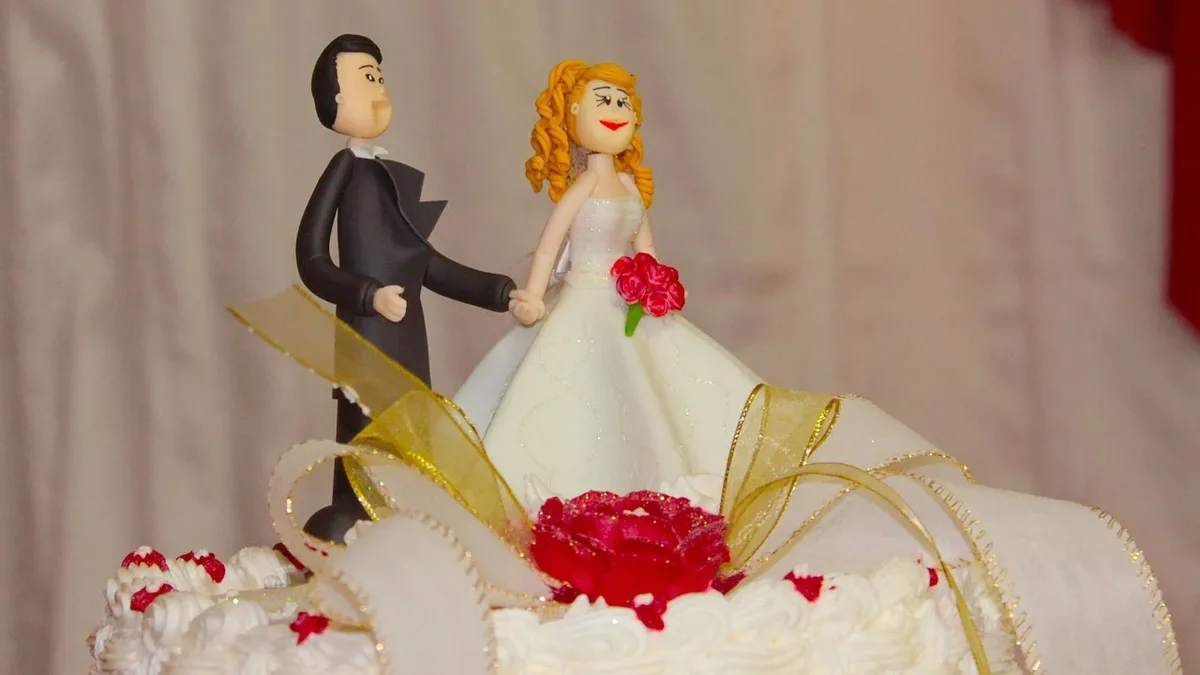
Selena Gomez's wedding cake mishap with Only Murders cast
Selena Gomez recalls Martin Short cutting into her wedding cake with Benny Blanco before the couple could, a moment she cherishes from their...

Ice Spice's First Wedding Experience at Taylor Swift's Nuptials
Taylor Swift married Travis Kelce at Madison Square Garden on July 3. Rapper Ice Spice called the 1,000-guest event 'magical' and formed a close...

Maggie Heginbothom's hospital wedding with horses
A terminally ill woman married her partner of 15 years in a ceremony on a hospital ward, organized by NHS staff in two days, featuring her two horses.
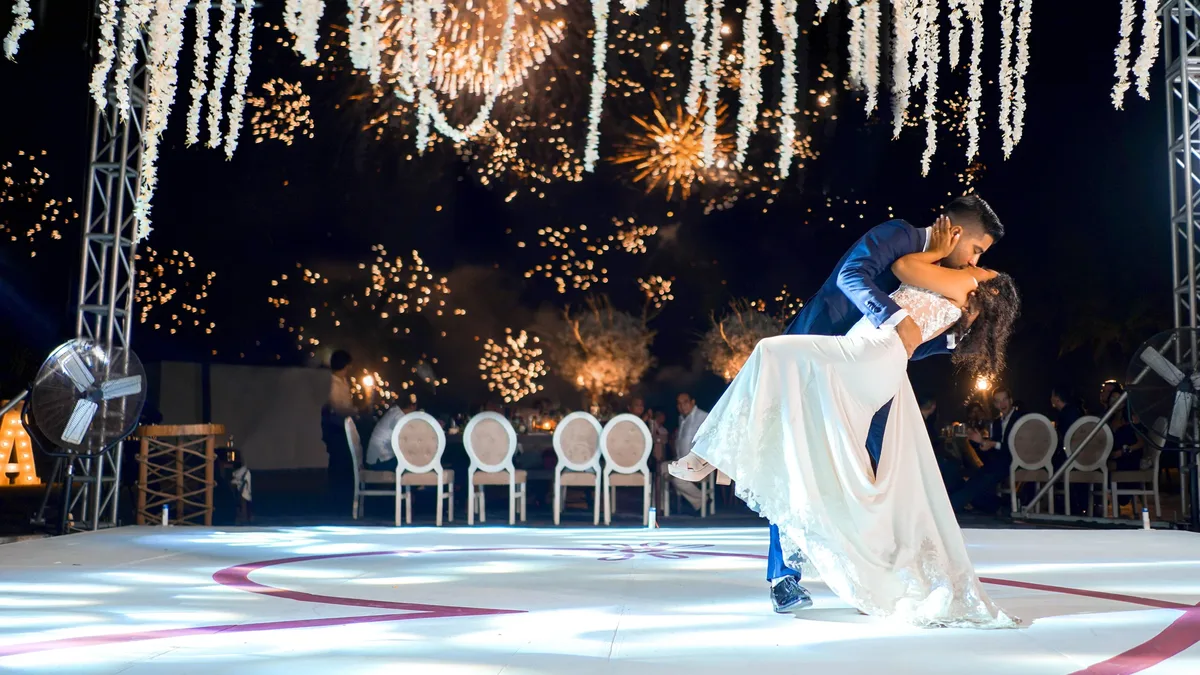
25 Winter Wedding Guest Dresses to Shop Now
A curated list of 25 winter wedding guest outfits with prices and shopping advice has been compiled by fashion experts to help guests find festive...
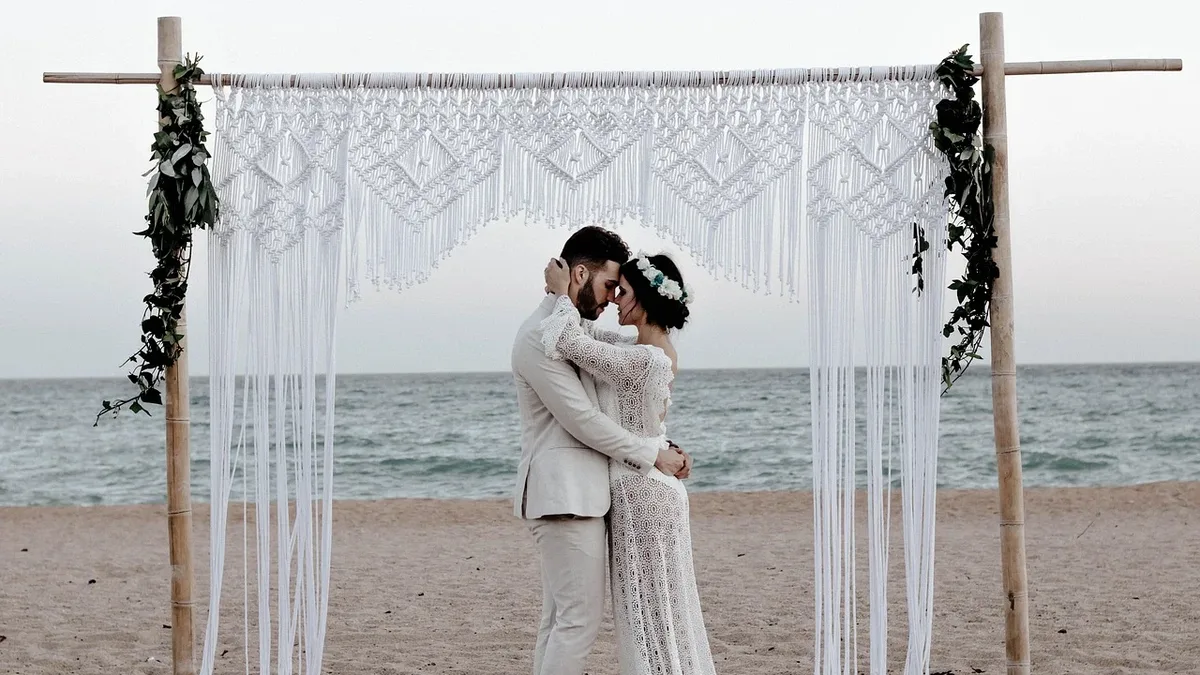
Gabby Thomas and Spencer McManes Wed in Rain-Soaked Cabo Ceremony
Olympic sprinter Gabby Thomas married entrepreneur Spencer McManes on October 30 at Garza Blanca Resort & Spa in Cabo San Lucas, with a beach...
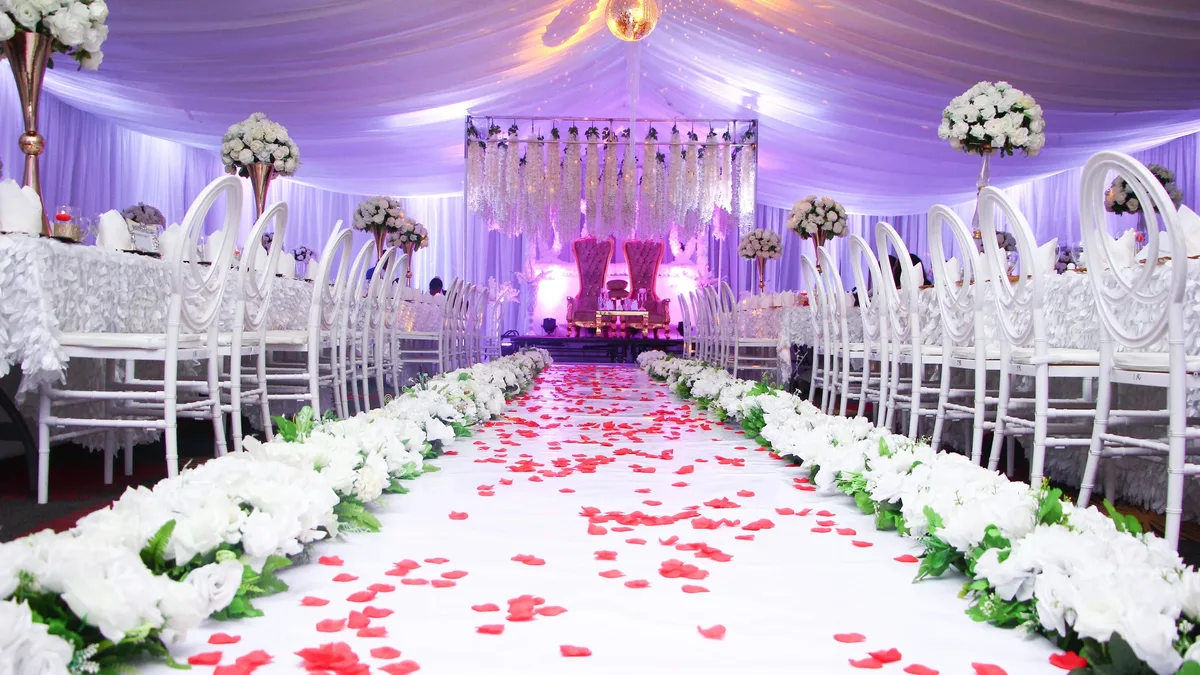
One Fab Day Wedding Awards 2026 Winners Announced
The inaugural One Fab Day Wedding Awards 2026 honored Ireland's top wedding venues and suppliers in a ceremony at Dublin's College Green Hotel, with...